
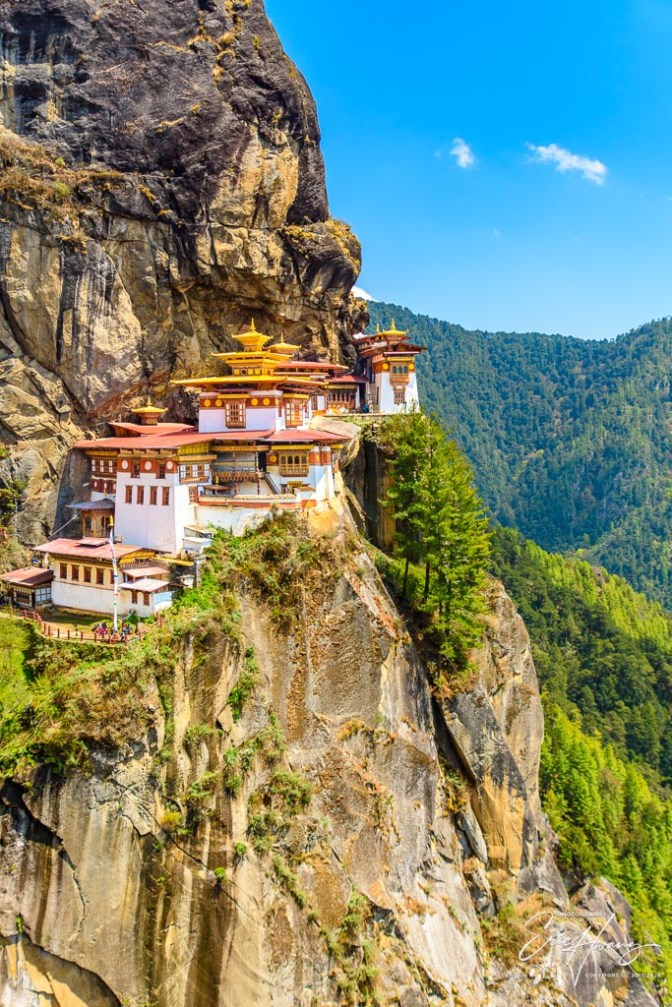
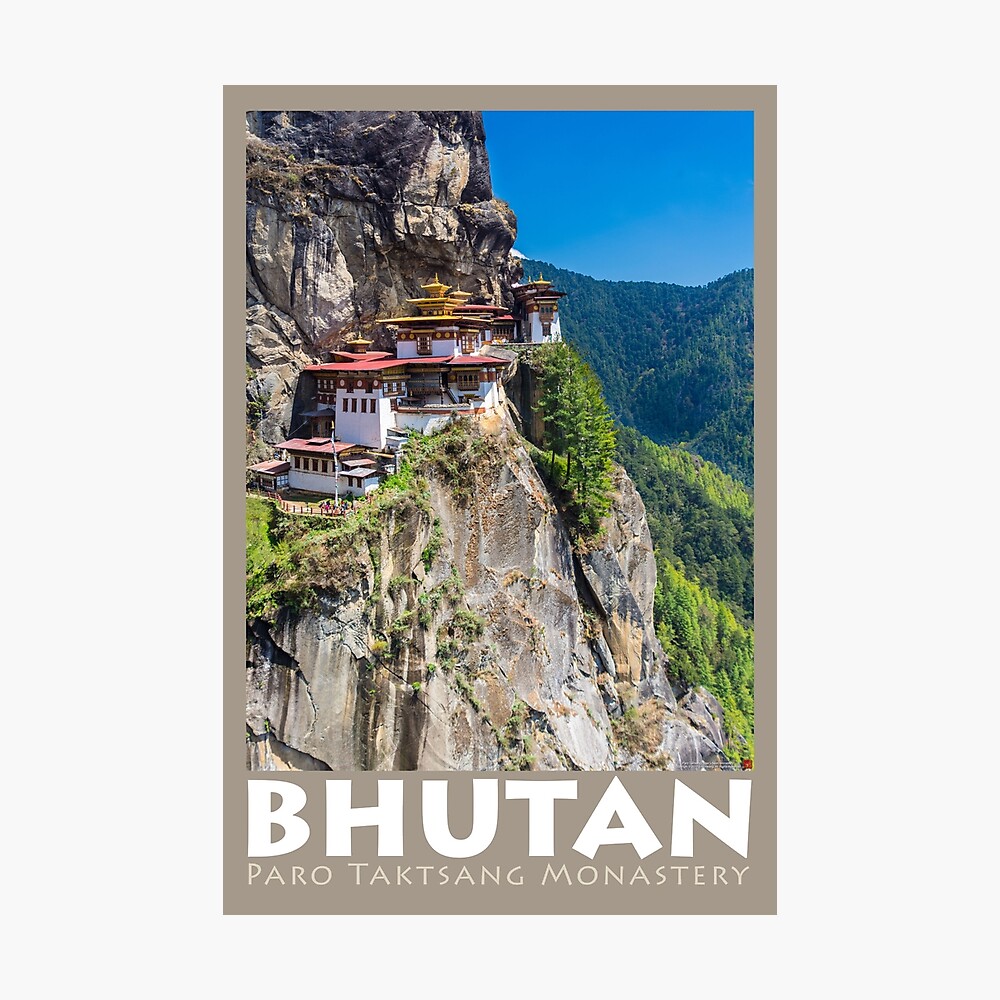
One of the most picturesque locations in Bhutan is the Paro Taktsang monastery clinging on the side of a cliff high above the Paro Valley.
Bhutan’s Claim to Fame
One of the more exotic locations we decided to visit was Bhutan in South Asia. We booked our tour several months in advance and my sister and her husband decided to join us for our travels through Bhutan and Tibet, two of the most difficult countries for holders of U.S. passports to enter. Bhutan is a small, landlocked nation nestled in the Eastern Himalayas between Tibet (China) and India just north of Bangladesh. The country has proclaimed itself, “The Happiest Nation on Earth,” measuring not its economic indicators, such as Gross Domestic Product (GDP), but instead, measuring its Gross National Happiness (GNH), an indicator introduced by the fourth King of Bhutan, Jigme Singye Wangchuck.
Bhutan has a rich and active cultural heritage, something that brings a strong sense of belonging to its people and contributes to the happiness of its citizens. Its GNH also depends upon sustainable development, cultural preservation, strong community bonds, environmental conservation, spiritual well-being, and good governance. These beliefs are echoed throughout the country in road signs and cultural markers, but more importantly, in the faces and actions of the people we met.
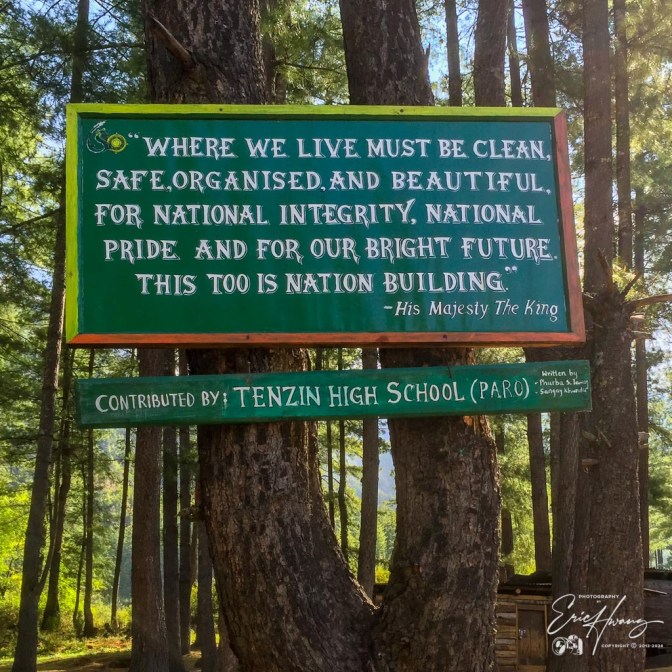
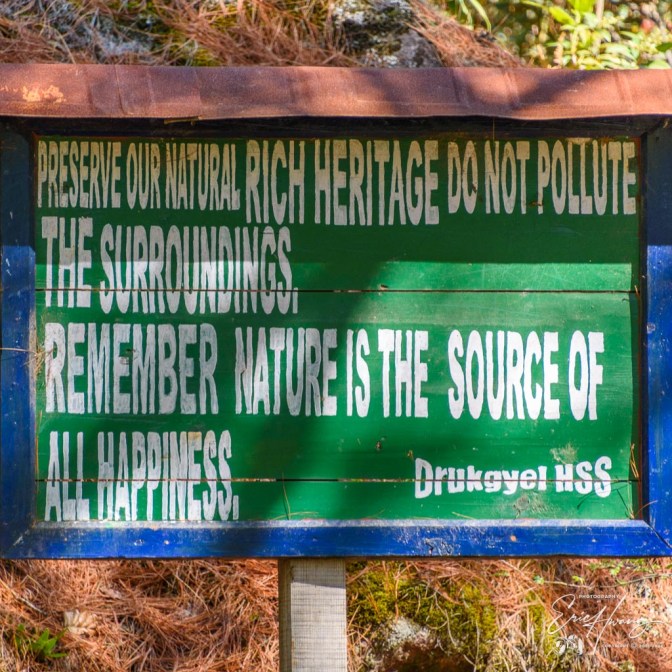

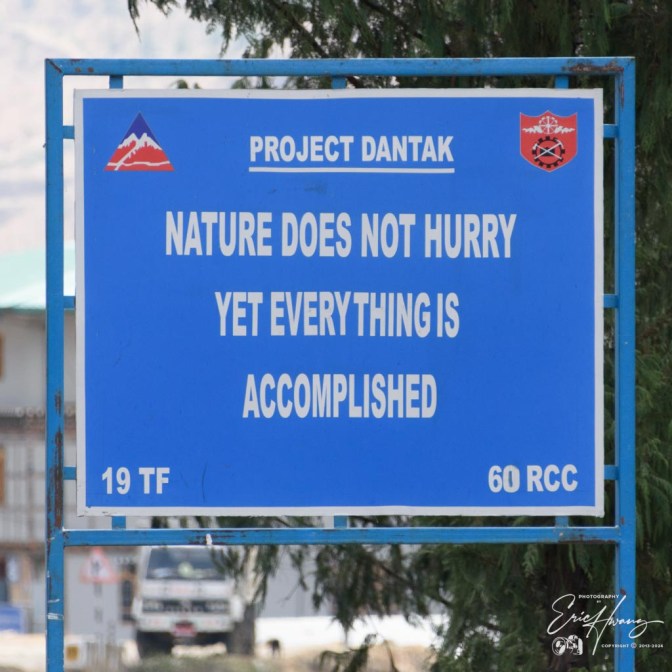
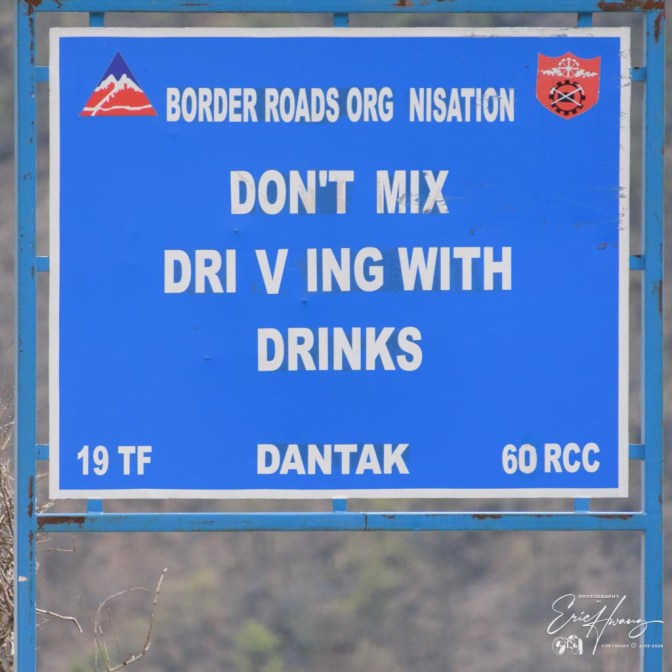

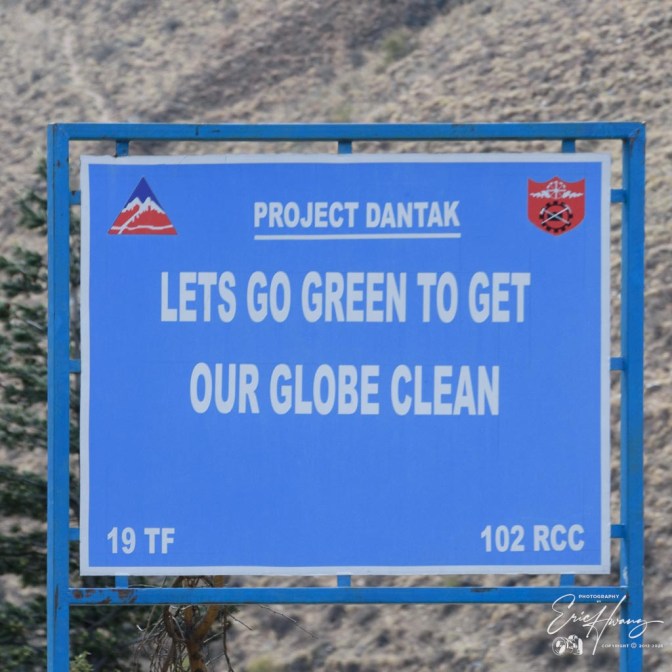

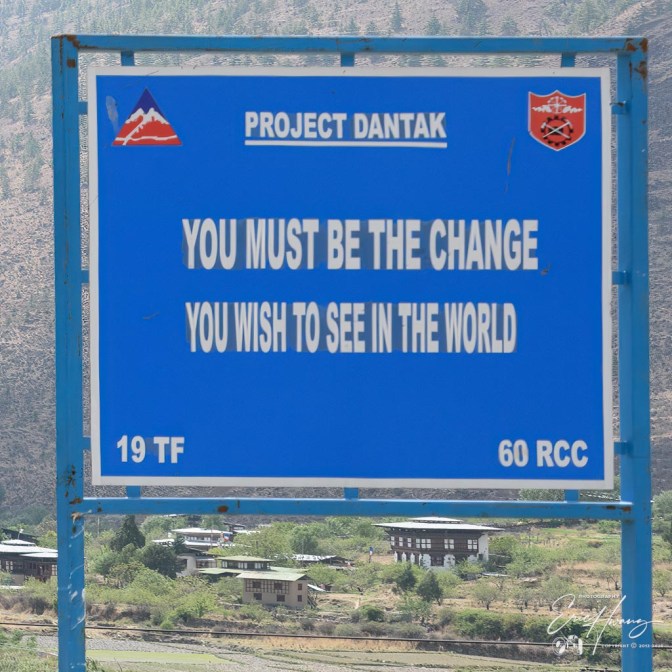
Signs throughout the country try to instill Bhutanese values
Limited Tourism
Most visitors had to have a local guide during their time in Bhutan and it was required if you ventured beyond the Paro and Thimphu valleys. The official reason is that it provides you local perspectives, customs, histories, and up-to-date factual knowledge about the places visited. I believe it’s mostly to keep their citizens uncorrupted by Western influences, although that’s more difficult than it sounds. Until 1999, Bhutan banned the internet and television for fear that it might erode traditional Bhutanese values. In 2022, Bhutan revised their tourism policies to allow visitors to arrange their own lodging and itinerary.

To ensure U.S. citizens use a guide, the only way to obtain a visa is through a licensed tour operator in Bhutan. Another incentive to use a guide is that most roads within Bhutan are not marked, GPS coverage can be difficult with the mountains and forests, and few foreign cellular providers work in the country despite good network coverage throughout the Paro and Thimphu valleys.

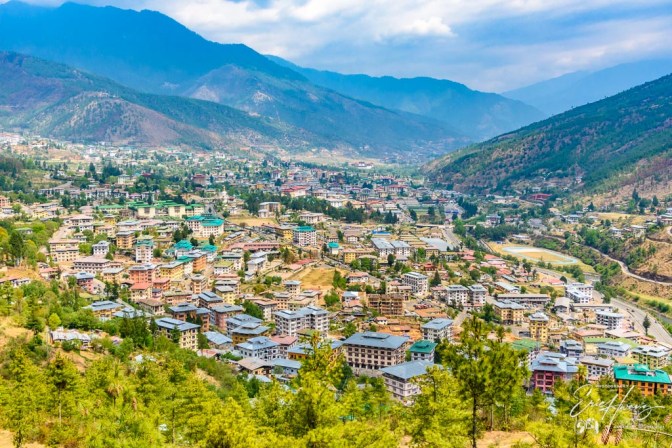
As a U.S. tourist in this country, we were required to pay U.S.$250 per person per day which included a Sustainable Development Fee of $100 per person per day. (This fee may increase in September 2027 or sooner to $200.) Because of this expense, we only visited the country for three days, staying mainly in the Paro and Thimphu valleys. This fee included room and board, transportation and guides. The Sustainable Development Fee is used to protect the natural environment, to provide free education and free health care to Bhutan’s citizens. Tourism in Bhutan now (as of 2024) has a quota of around 300,000 annual visitors total. When we went, it had annual influx of about 150,000 tourists, mostly from India. Since India is their largest trading partner, Indians pay only U.S.$14.50 per day per person to enter Bhutan.

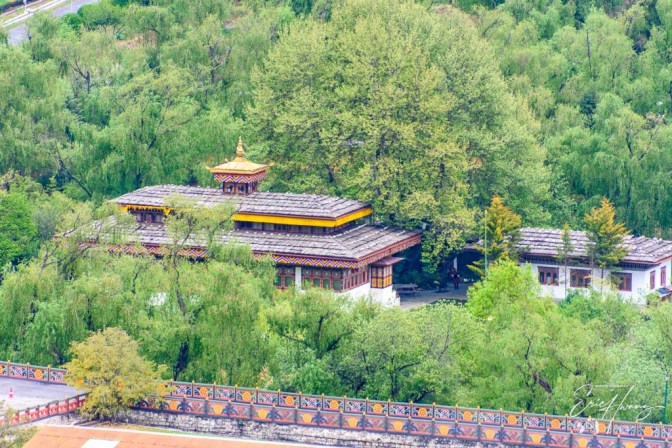
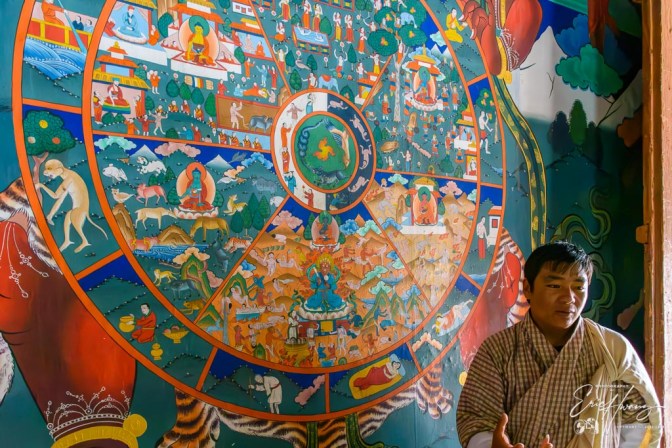
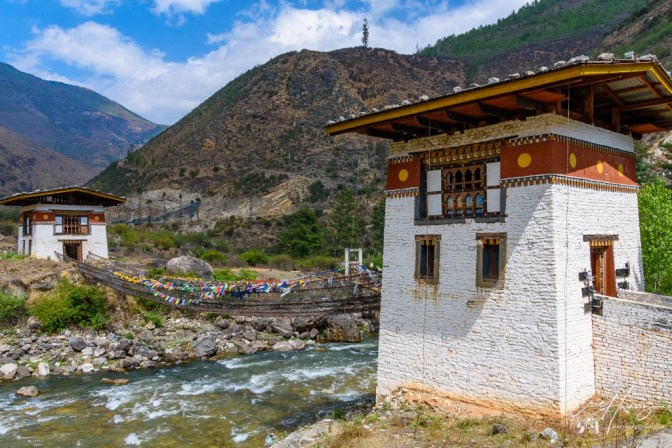
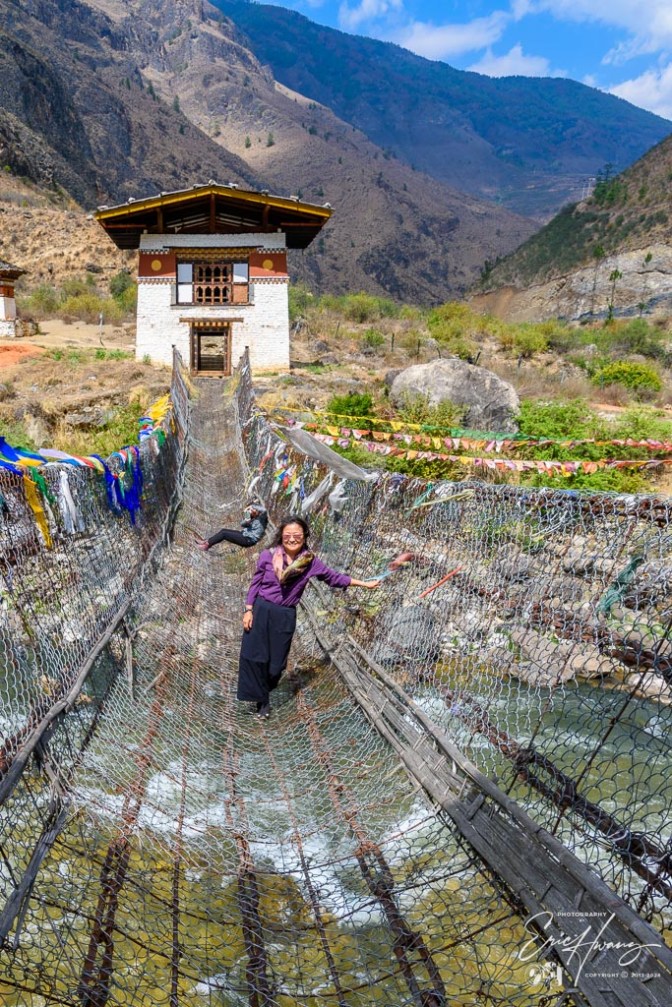

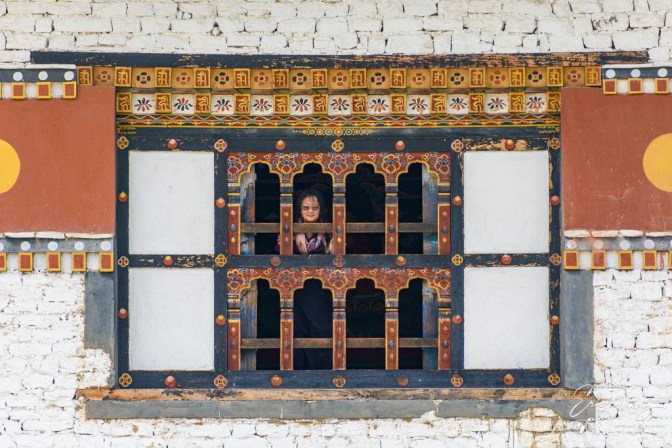

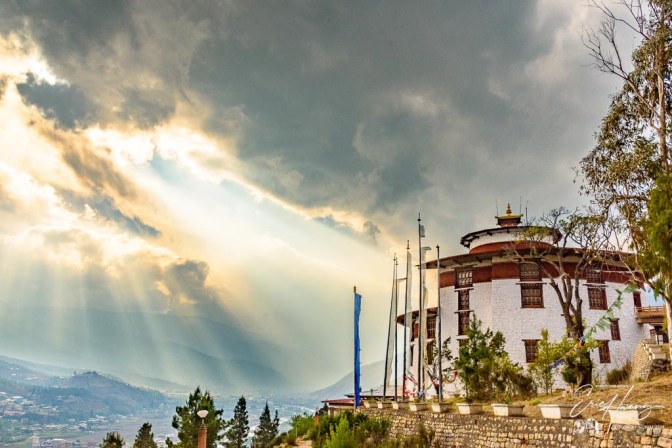
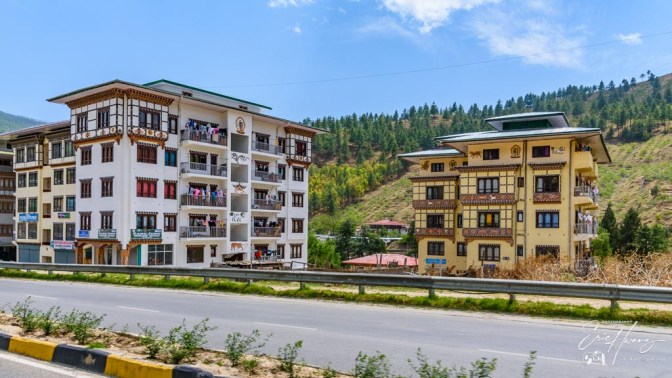


Click on the images above for the captions
Bhutan is a beautiful country free of large-scale industrial development. Their largest export is hydroelectricity. It’s a carbon-negative country, meaning that it absorbs more carbon dioxide than it emits, due to its considerable forest cover and strict environmental policies. The landscape ranges from subtropical plains in the south to arctic high mountain peaks in the Himalayas in the north. Nearly 99% of Bhutan is covered in mountains, making it the world’s most mountainous country. All the buildings we saw were built in the traditional Dzong architectural style, made mostly with compacted earth and mud.

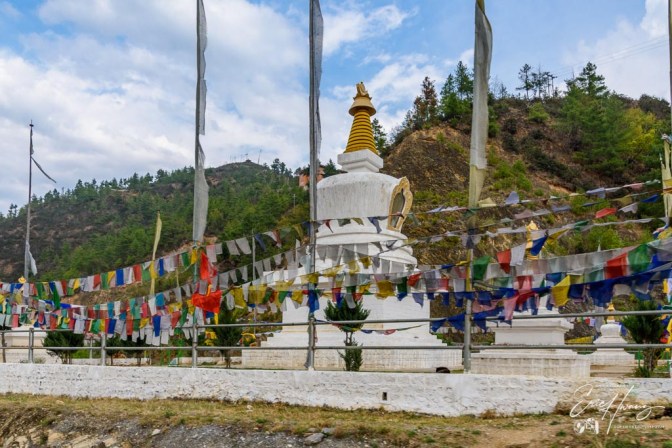
The national religion in Bhutan is Buddhism, accounting for about 73% of the population. Christianity is practiced by less than 1% of the population and proselytizing is forbidden by their constitution, so you won’t see missionaries in Bhutan. There are monasteries throughout the country and prayer flags flying wherever there was a breeze. With numerous monks in burgundy robes and pilgrims spinning prayer wheels, it reminded me of what Tibet was like before the Chinese crackdown.
A Very Brief Political History of Bhutan
Much of early Bhutanese history is uncertain because most of the recorded history was destroyed by fire in the ancient capital of Punakha, in 1827. The current monarchy was established in 1907 when Ugyen Wangchuck was unanimously chosen as the hereditary king of the country by leading Buddhist monks, government officials, and heads of important families.
Although Bhutan has a king, it is officially a constitutional monarchy. In 1953, King Jigme Dorji Wangchuck established the country’s legislature—a 130-member National Assembly—to establish a more democratic form of governance. In 1965, he set up a Royal Advisory Council, and in 1968 he formed a Cabinet. In 1972, following the death of his father, Jigme Singye Wangchuck ascended to the throne at the age of sixteen. In 2006, King Jigme Singye Wangchuck transferred most of his administrative powers to the Council of Cabinet Ministers before abdicating his throne in 2008 to his son, 28-year-old Jigme Khesar Namgyel Wangchuck, now the current king of Bhutan.
Bhutan is a founding member of the South Asian Association for Regional Cooperation (SAARC). Bhutan ranked first in SAARC in economic freedom, ease of doing business, peace and lack of corruption in 2016, part of its goal of good governance. Because of its improved economic development over the past decade, Bhutan was removed in December 2023 from the U.N.’s list of Least Developed Countries.
A Very Accommodating Country
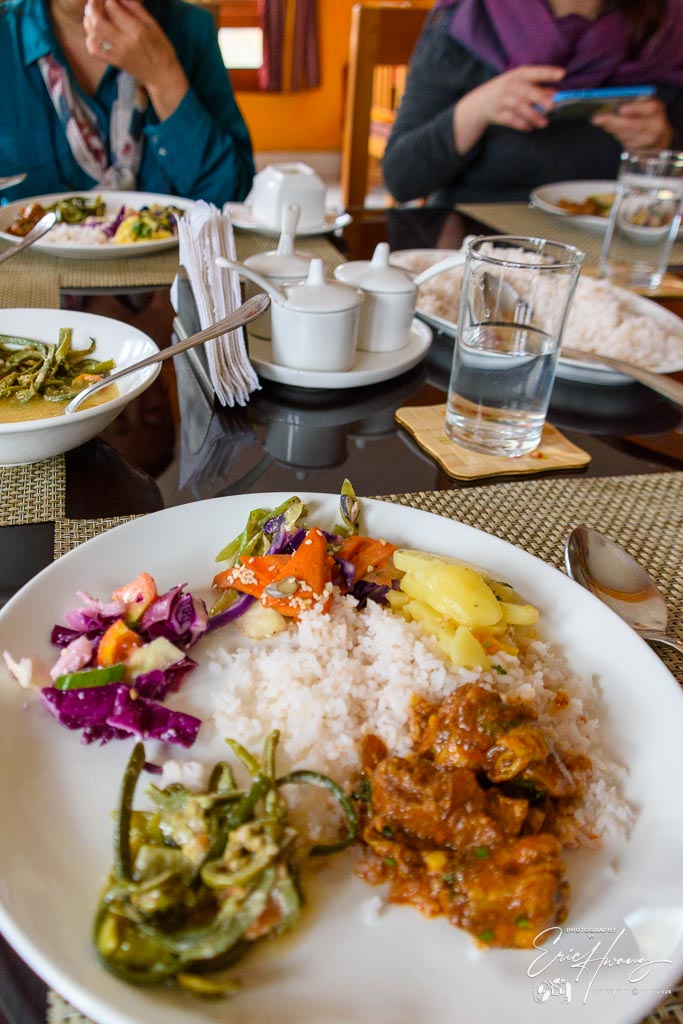
We visited during the month of April, towards the end of the dry seasons when the weather was good and temperatures were moderate, but well before the monsoon season. During our stay, we rarely needed anything more than a light jacket, and usually only at night. The altitude in both the Paro and Thimphu valleys are above 2,200 meters (7,000 ft.), so even modest activity could leave us short of breath. Luckily, our most strenuous activity, hiking in the mountains, was toward the end of our stay.
Our meals during our stay were simple, healthy dishes mainly consisting of vegetables, rice and one small meat dish. Meat is not a large part of the Bhutanese diet. Red rice and buckwheat are staples of their diet. Most of the dairy was in the form of cheese. We didn’t get to try Ema datshi, which could be considered a national dish made with cheese and very spicy chilies, since it was probably too spicy for our palates.
Our transportation was in a very nice, late-model van, probably of Indian origin. Roads were paved throughout the valley and were well maintained. The accommodations were clean, modest and in a decidedly Western style with Western toilets and modern plumbing.

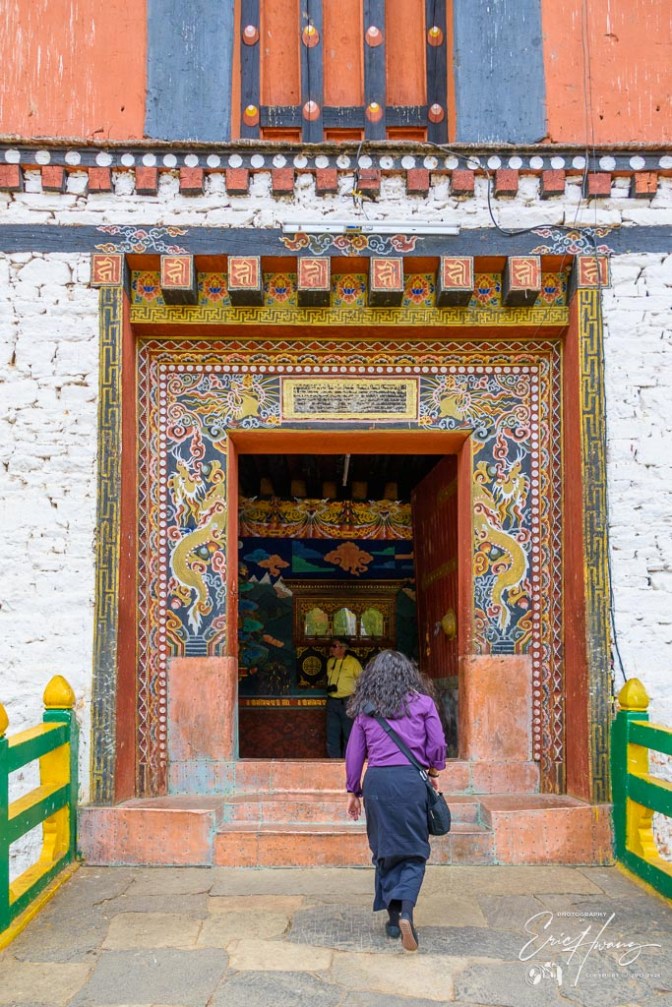
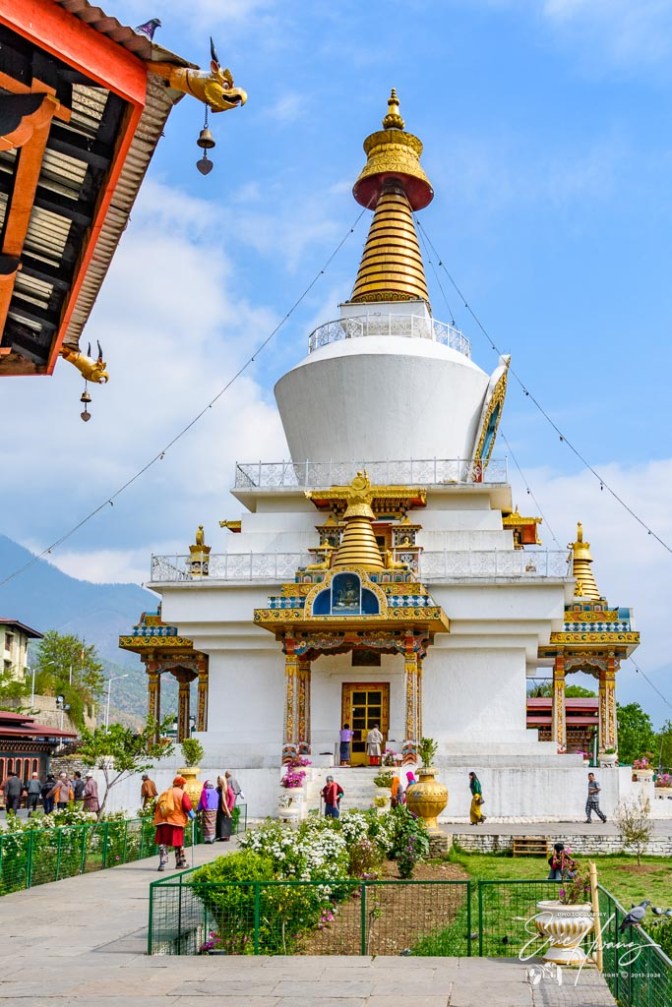
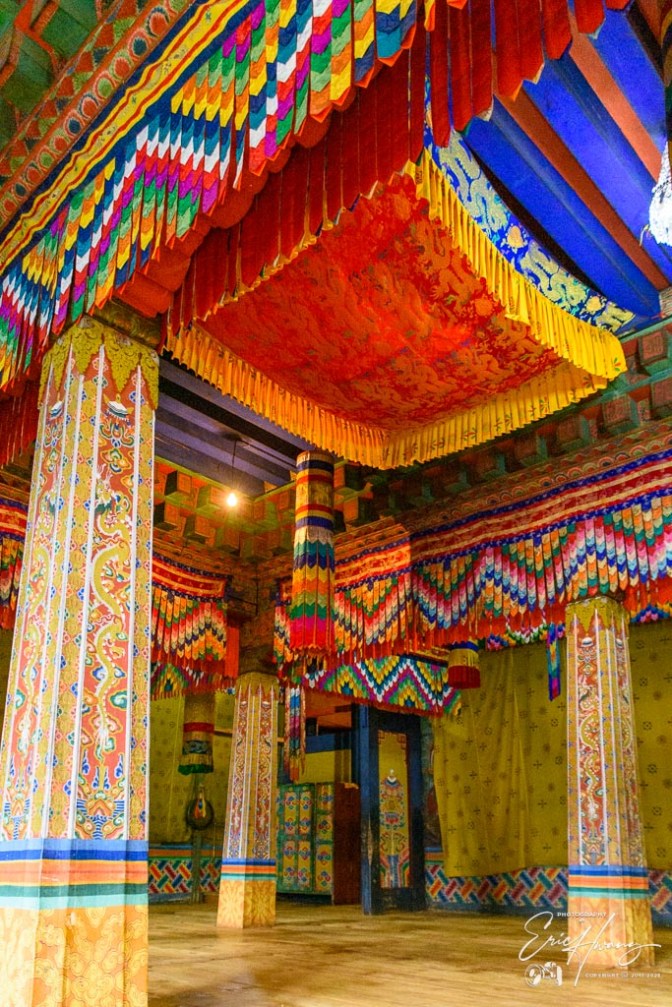


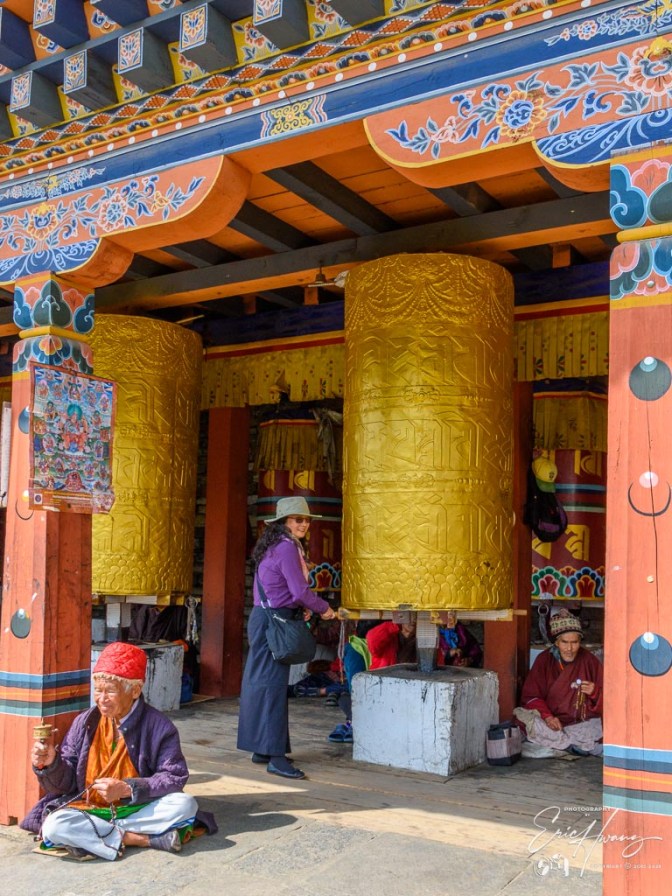
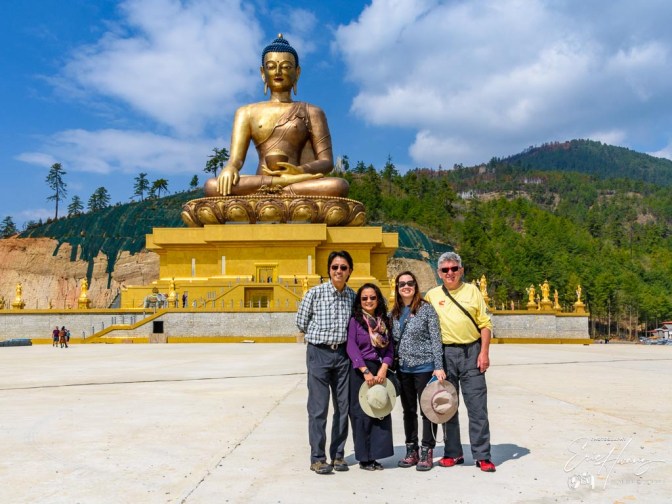

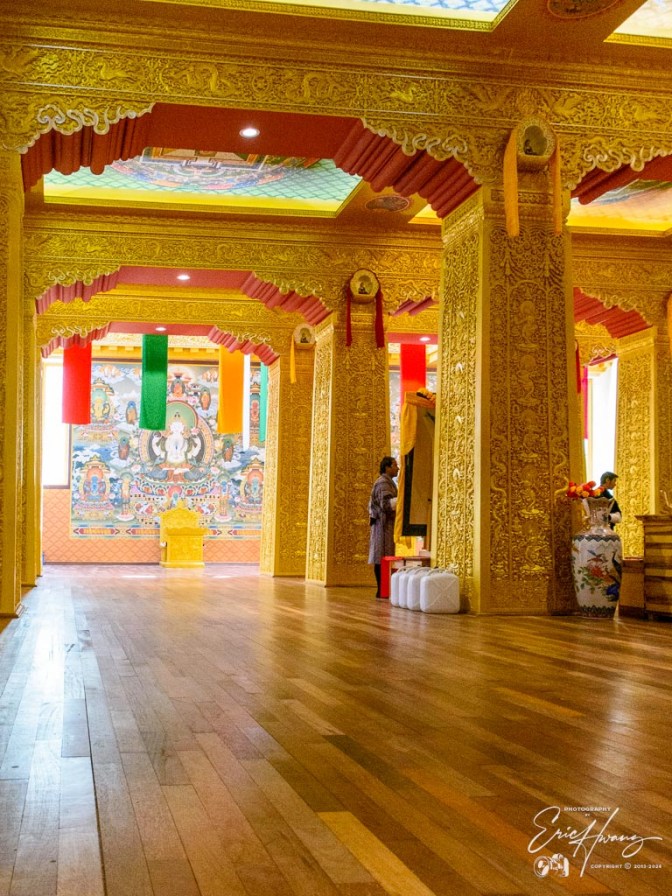

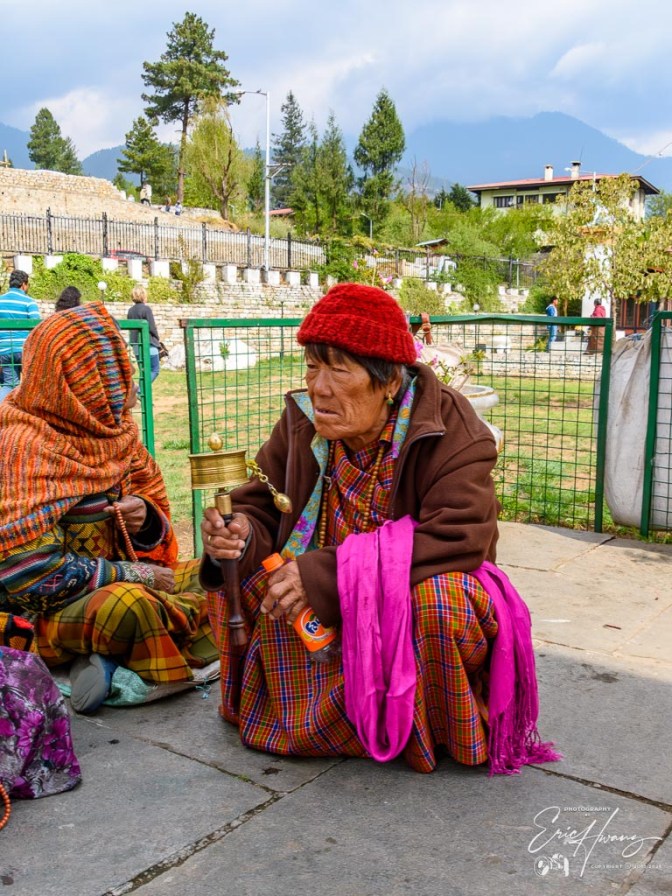
Click on the images above for the captions
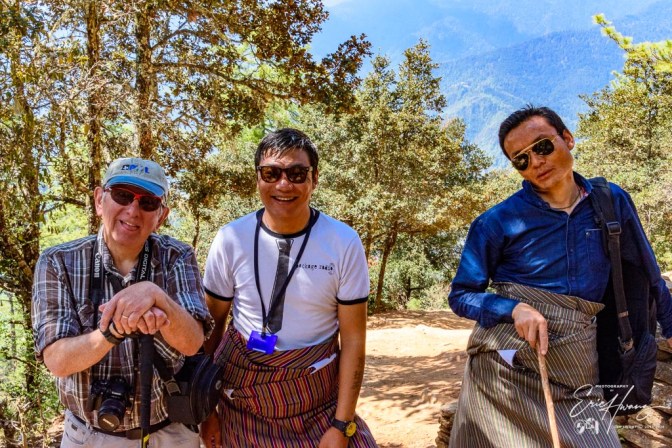
Although Dzongkha (Bhutanese) is the official language, English is used extensively in their educational system. Dzongkha is similar to Tibetan and uses the same written characters. Our guide and driver were both locals. Our guide, Tashi, spoke excellent English; our driver not so much. Our driver used to be a king’s guard and apparently had military combat training. Both had a good sense of humor and were very entertaining as well as being very knowledgeable about the places we visited.
Our guides and the people we met were eager to teach us about their country, the customs, and their culture. Our visits included a small wildlife refuge with local animals, a cultural center with demonstrations of the national sport of archery and local crafts and trades, and monasteries and Buddhist sites.
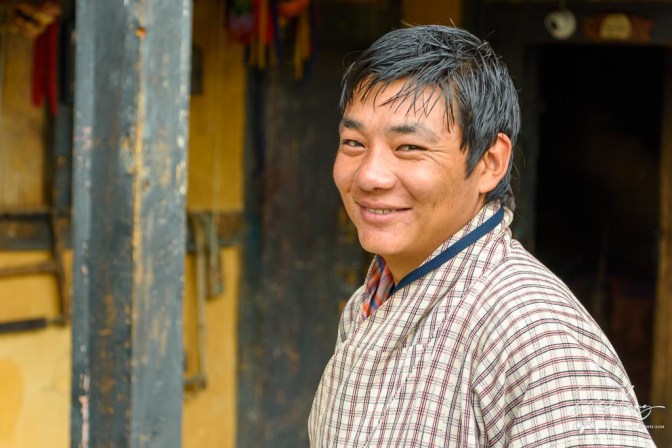
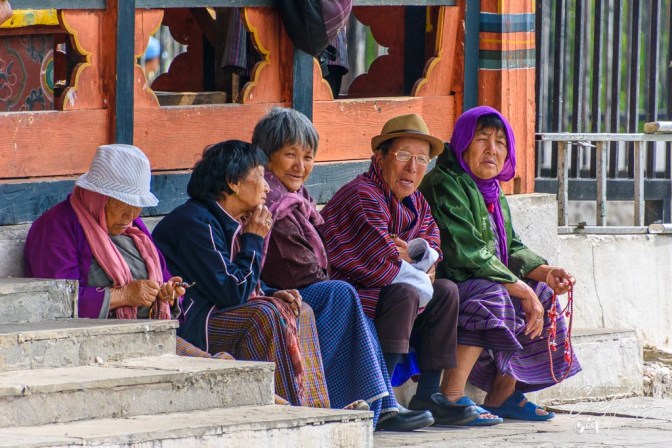
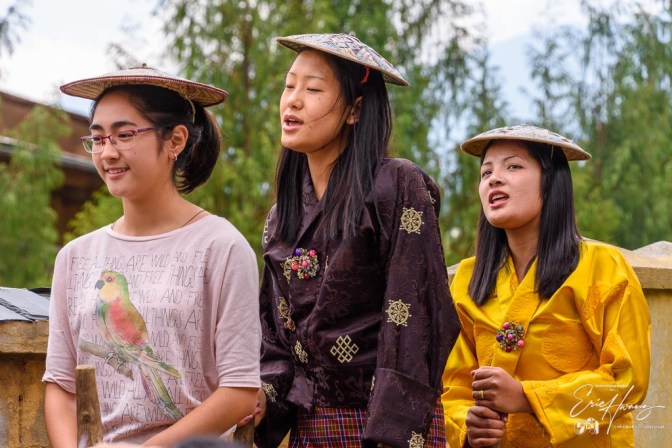

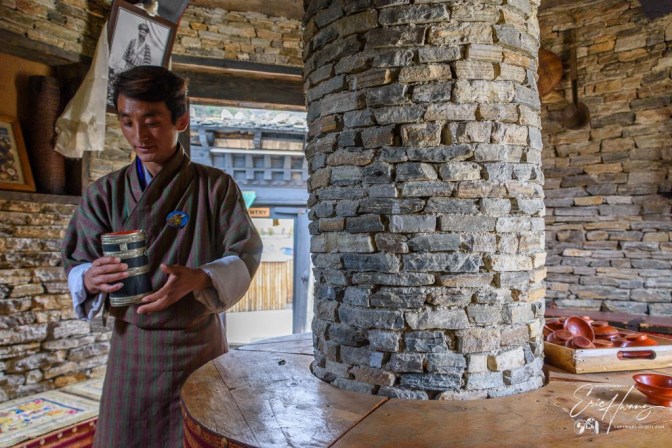
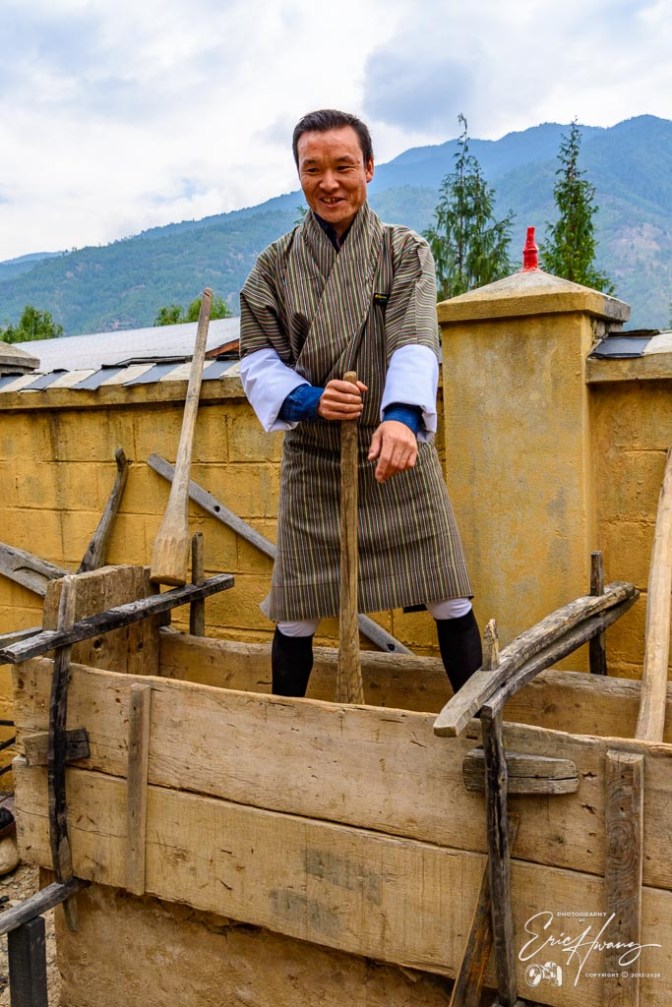
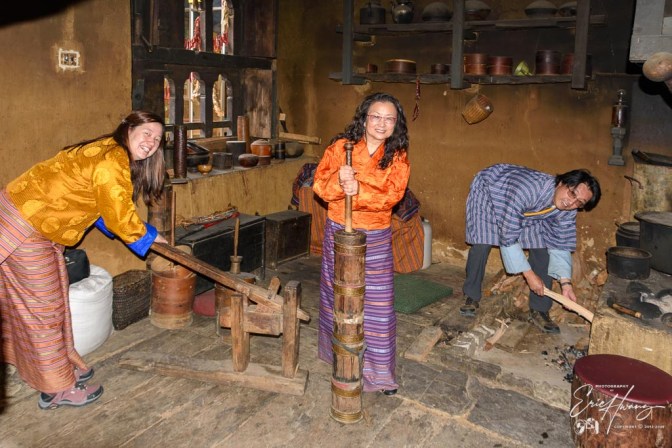


Click on the images above for the captions
Sheri and the Takin
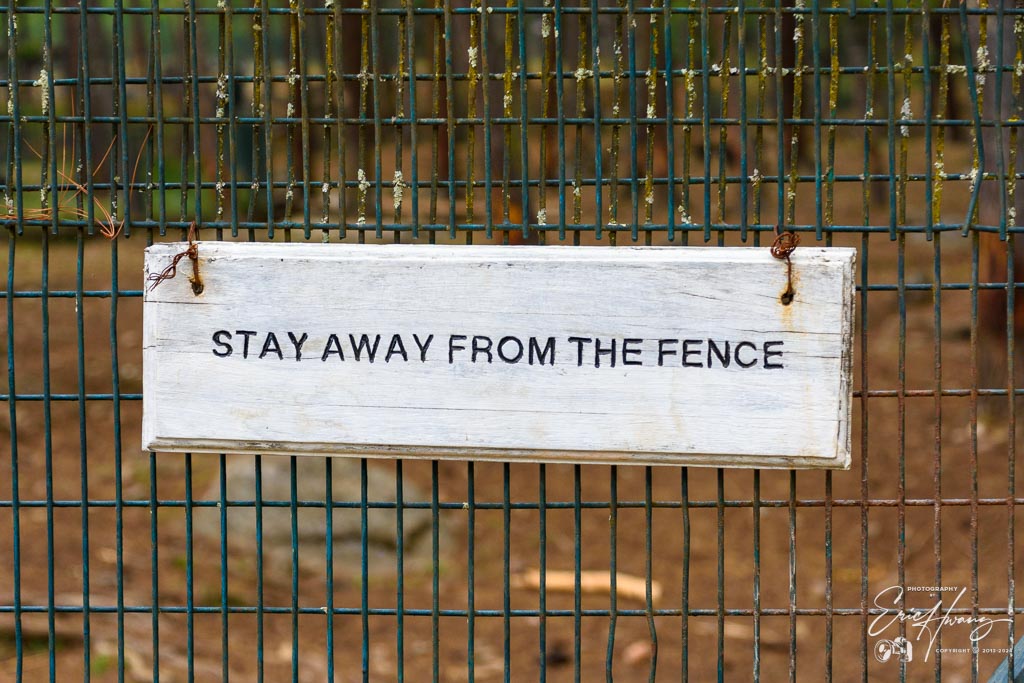
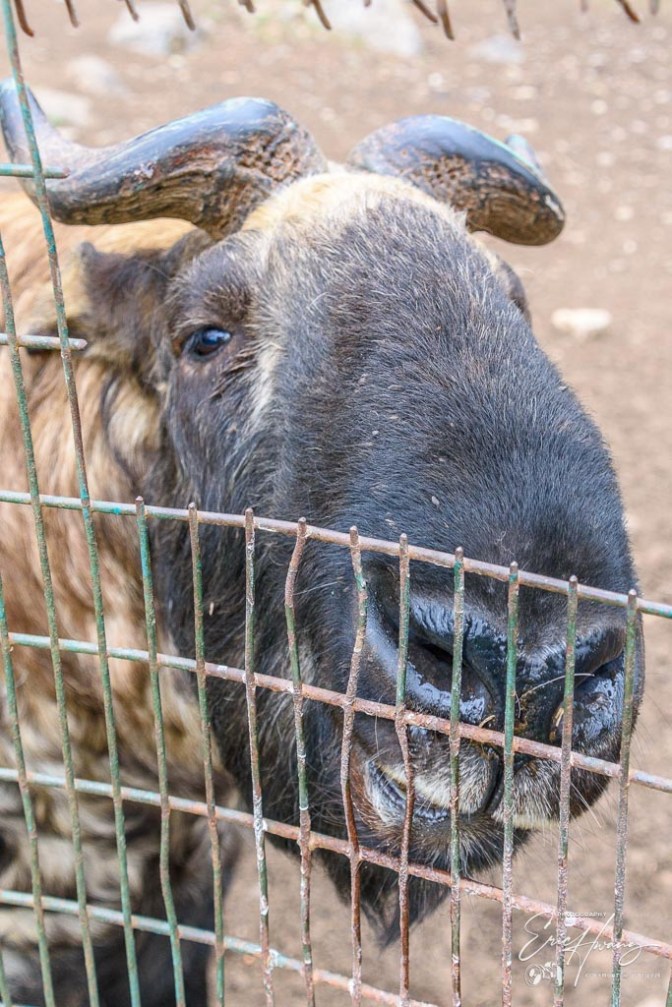
“Stand next to the fence so I can get some scale,” I said to Sheri. Before I could even get the camera up to my eye, Sheri went flying and landed face down several feet away. Luckily, she wasn’t hurt, just startled, and we all started laughing. The Takin behind the fence decided to head-butt her in retaliation for the teasing from the previous visitors.
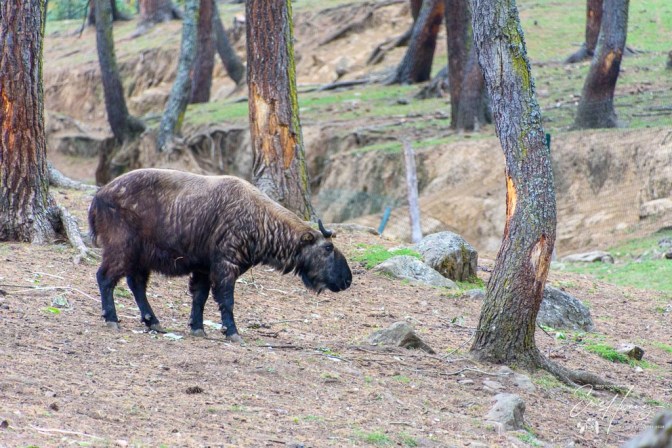
Takin are large cloven-hoofed animals closely related to mountain goats and musk ox. They are found only in the Eastern Himalayas from Bhutan and northeast India to the southwestern provinces of China. Bhutan Takin are the smallest of the four subspecies of Takin and number approximately 700 in the wild in Bhutan. Since they are migratory, getting an accurate count is difficult. Takin have a large snout that has been described like a “bee-stung moose,” with the coloration of a badger. Both male and female takin have horns and they secrete an oily, strong-smelling substance all over their body and use it to mark their territory.
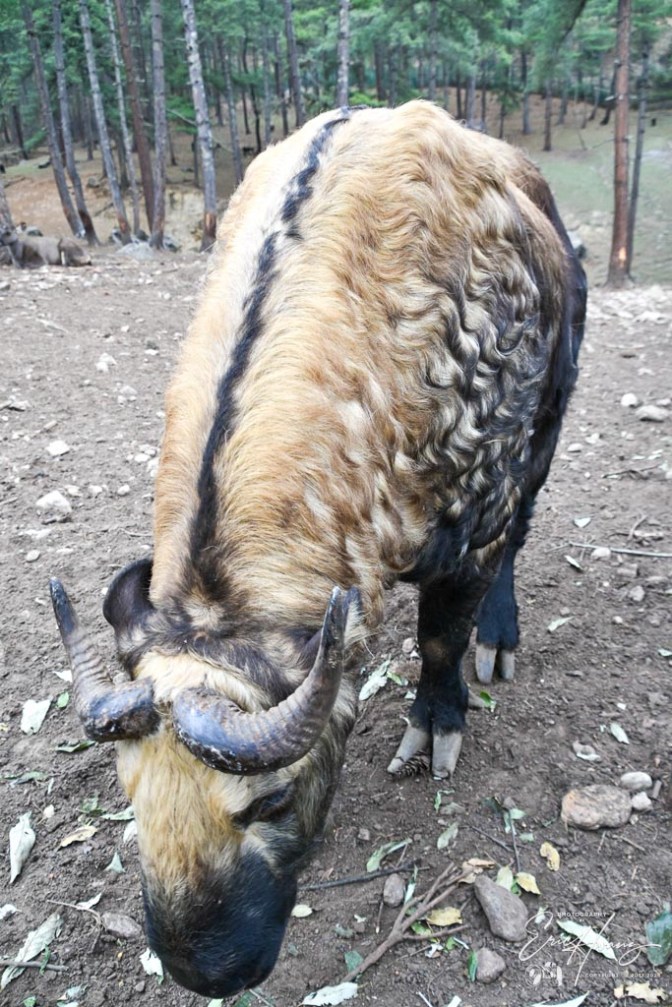

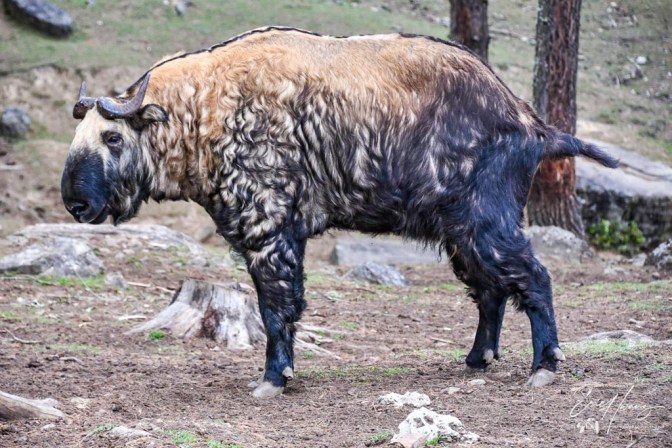
Click on the images above for the captions
The Bhutan Takin is the national animal of the kingdom. According to local legend, the Tibetan Buddhist monk, Drukpa Kunley, was asked to perform a miracle by local villagers. He agreed but asked for a cow and a goat to eat. After consuming both entire animals, he attached the head of the goat to the skeleton of the cow. Clapping his hands, the skeleton grew a body, sprung up and ran outside to feed in the meadow.
The Mothithang Royal Takin Preserve, where we encountered the takin, is located about 5km from central Thimphu in the Thimphu Valley. It’s one of the few places in the world where you can see this unique animal in its natural habitat.
Paro Taktsang Monastery (Tiger’s Nest)
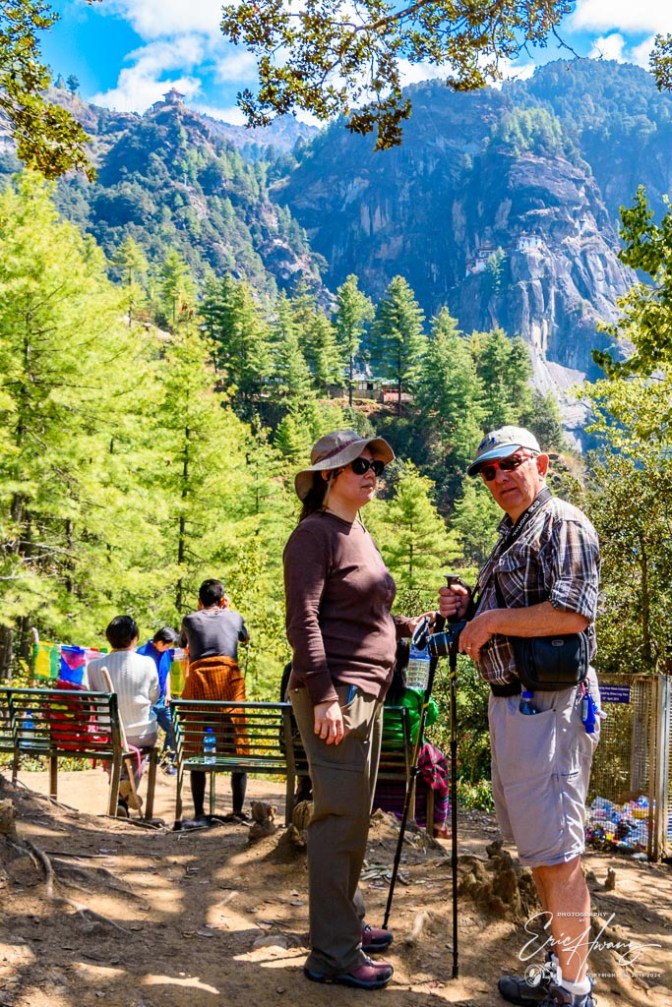
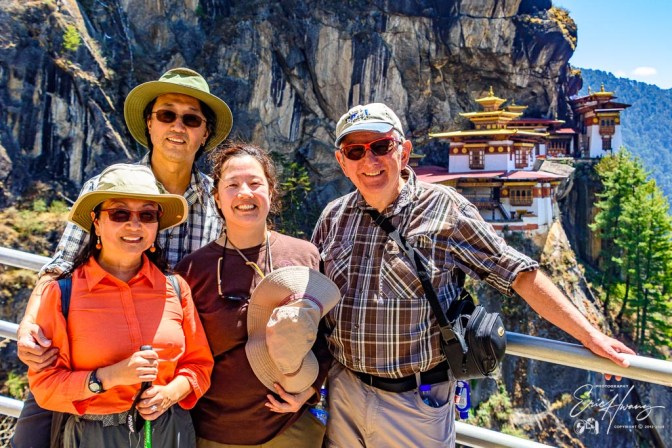
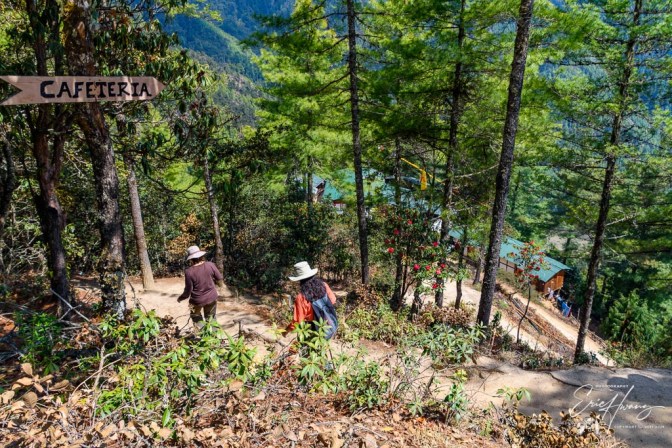
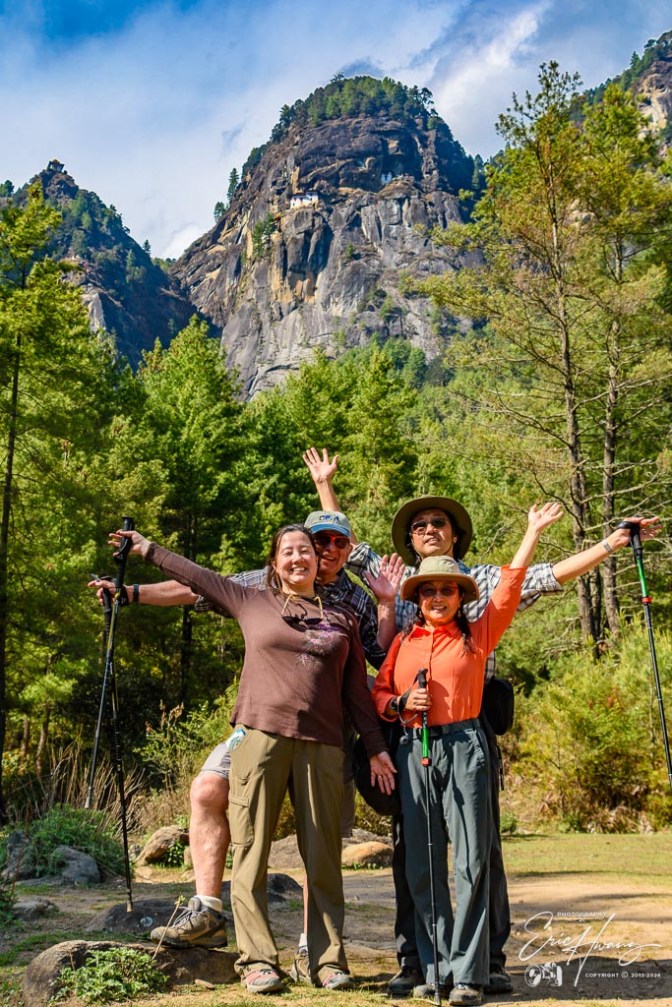
The last destination on our itinerary was this iconic monastery in the mountains. Did we save the best for last, or was it because we left the hardest part for last? Probably a little of both reasons. Despite all the walking around at high altitudes for the last several weeks, we were still not quite prepared for how difficult the hike to the monastery would be. Our guides had obviously done this hike many times, as their cheerful attitudes and extended endurance would suggest.
The entire hike, including rest stops and a visit and blessing at the monastery, took just over 6 hours. Nearly 4 hours to go up, and just over 2 hours to come down. Our hike began around 9 a.m. with partly cloudy skies and cool temperatures thanks to the altitude. Throughout our hike, we were surrounded by conifer forests and rhododendrons in bloom, making for a lovely trek up and down the mountain. Our guides stayed with us the entire time, with Tashi leading and our driver taking up the rear. The path was well marked and mostly in good condition. The journey to see the Tiger’s Nest was a great ending to our short visit to Bhutan.





Click on the images above for the captions
When selecting a tour company for Bhutan, try to select one operated from within the country to receive better service. There are lots of companies operating from India, Nepal and China, but they must ultimately contract with a Bhutanese company for the final arrangements, visas and guides. Using a company based in Bhutan cuts out the middleman and could save you some money.
Despite the basic accommodations and the high tourist fees, Bhutan is worth the effort to visit; to experience their culture and see what makes it the Happiest Nation on Earth.
Buy the Poster

 Peripatetic Couple