
Neither Sheri nor I have been to India. We heard so much about it that we felt it deserved more time than some of the other countries on our itinerary. It’s a big country with lots to see so we scheduled nearly a month here. In retrospect, that was more than enough time.
Our time in India started out immediately on the wrong foot. While boarding the India Air aircraft in Kathmandu, they confiscated some of our things that have gone through several other airport searches without question. That was a bit annoying, but at least the e-Visa process to enter the country was efficient.

By the time we arrived in Delhi, it was dark and Sheri wasn’t feeling well, so we spent a couple of days in and around our hotel room. Not daring to upset our stomachs after the food issues we had in Kathmandu, we limited our meals to things that we felt were safe. Unfortunately, our choices were limited since nearly everything was spicy.
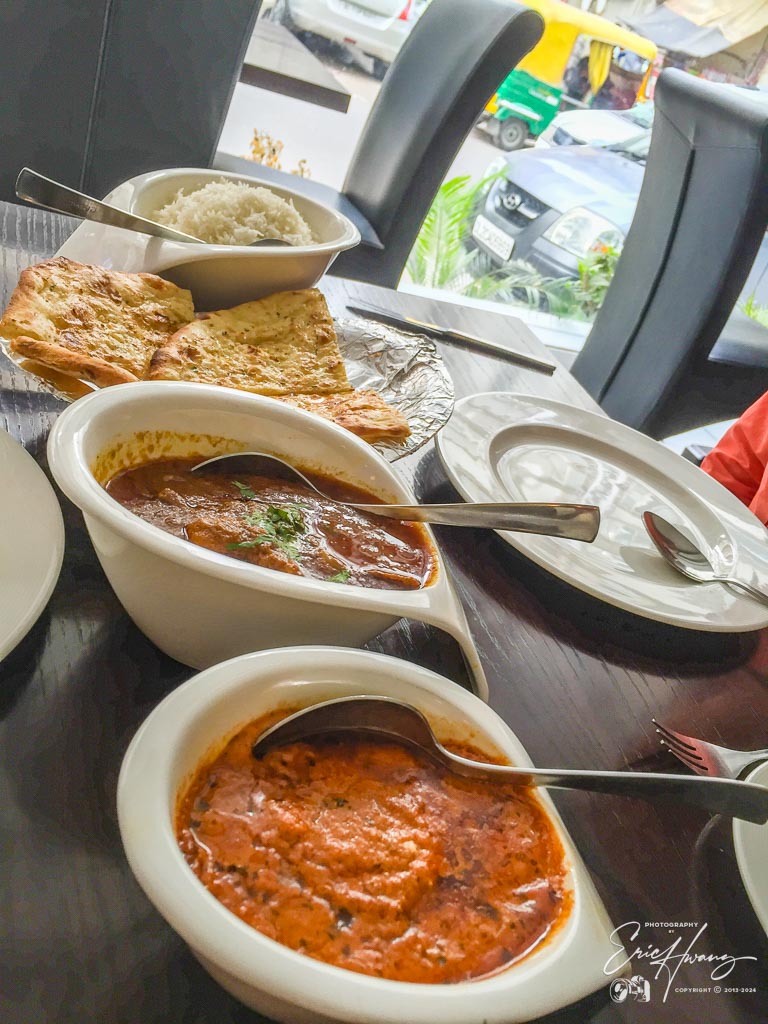
Once our stomachs were settled, we ventured out to explore the city and make arrangements to visit other parts of India. I had hoped to travel mostly by train, but the timetables were so confusing, I ended up having to contact a travel agent to help with rail tickets. In the process I discovered that travel by train isn’t always the most efficient, especially when hiring a car and driver can cost the same or less. We ended up booking our transportation and lodging through the agent for our travels up to Mumbai. It also convinced us of not exploring eastern India and some of the lesser traveled sites because of the added difficulty in getting there.
Delhi versus New Delhi
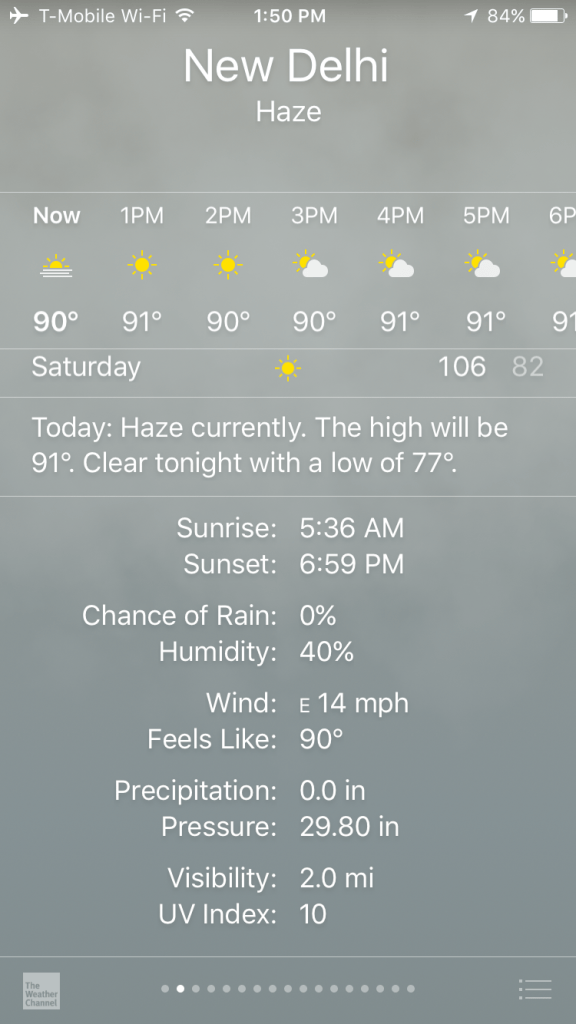
Delhi is actually the National Capital Territory (NCT) of Delhi which includes the capital city of New Delhi along with the outlying cities around it. With over 17 million people in the NCT and over 28 million in the entire urban region, Delhi is the largest metropolitan area in India and the second largest in the world after Tokyo. Nearly half of that population live in slums, most without adequate public services including sanitation. As foreigners, we were strongly discouraged to knowingly go into any of those areas. Delhi is also one of the world’s 10 most polluted cities as the air quality in my photos will show. It also didn’t help that we came here during the hottest month of the year, May, where temperatures can typically reach 44ºC (111ºF).
Despite all the downsides, Delhi has much to experience and a rich history going back to the 6th century BCE. From the early 13th century to the mid-19th century, Delhi was the capital of the Delhi Sultanate and the Mughal Empire, which influenced and controlled a large portion of South Asia. These empires left behind numerous architectural and cultural sites, three of which are designated UNESCO World Heritage Sites: the Qutub Minar, Humayun’s Tomb, and the Red Fort.
Qutub Minar
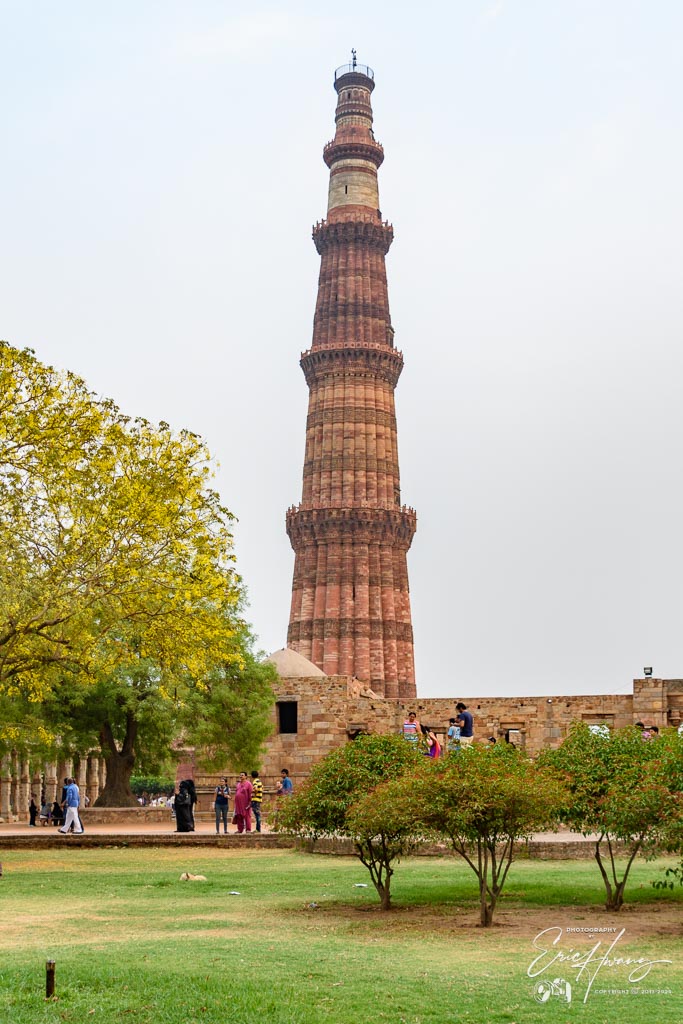
The Qutub Minar was built in the early 13th century to celebrate the victory of Muhammad Ghori over the Rajput king, Prithviraj Chauhan, in 1192. It’s also known as a Victory Tower. At 72.5 meters (239 ft.) high, it is the tallest brick minaret in the world. The outside of the minaret is covered with sandstone featuring carved verses from the Quran.
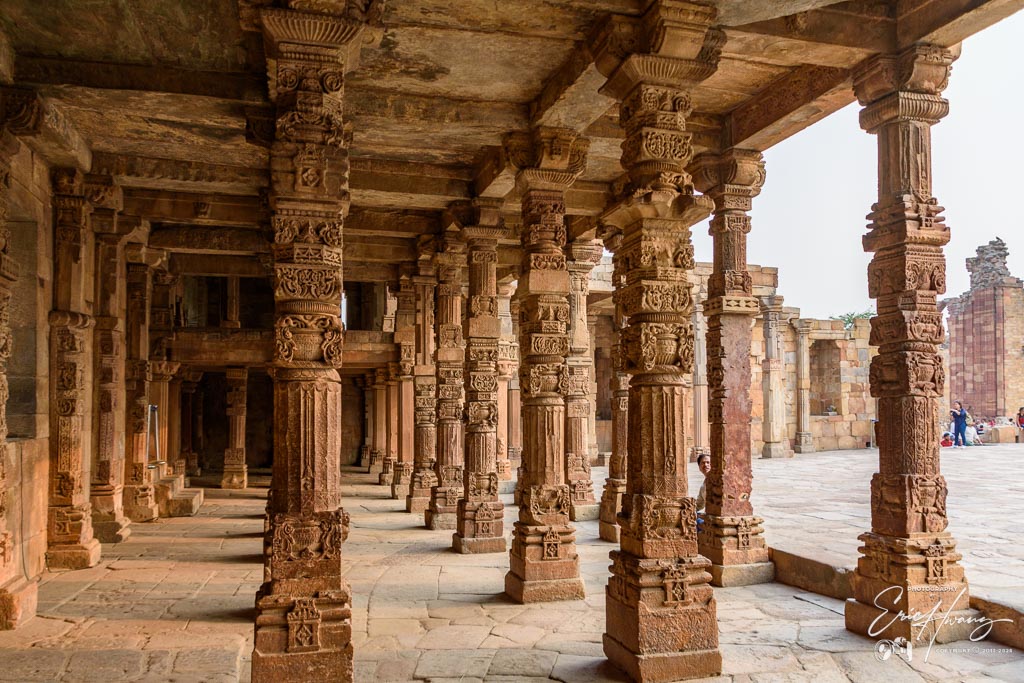
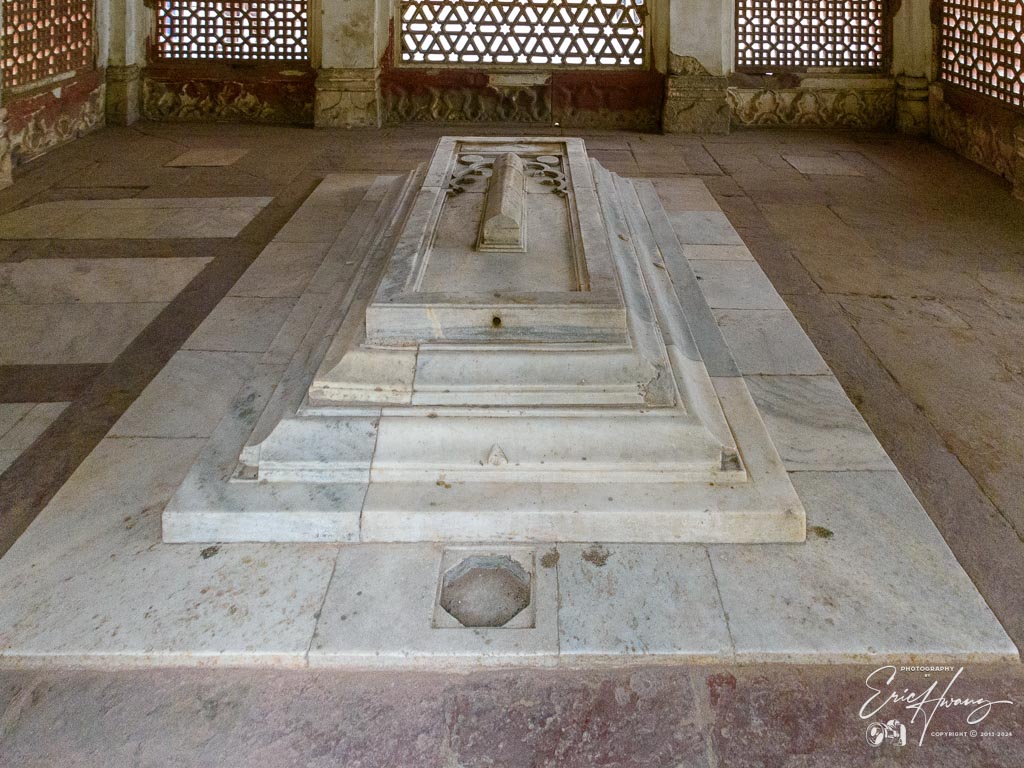
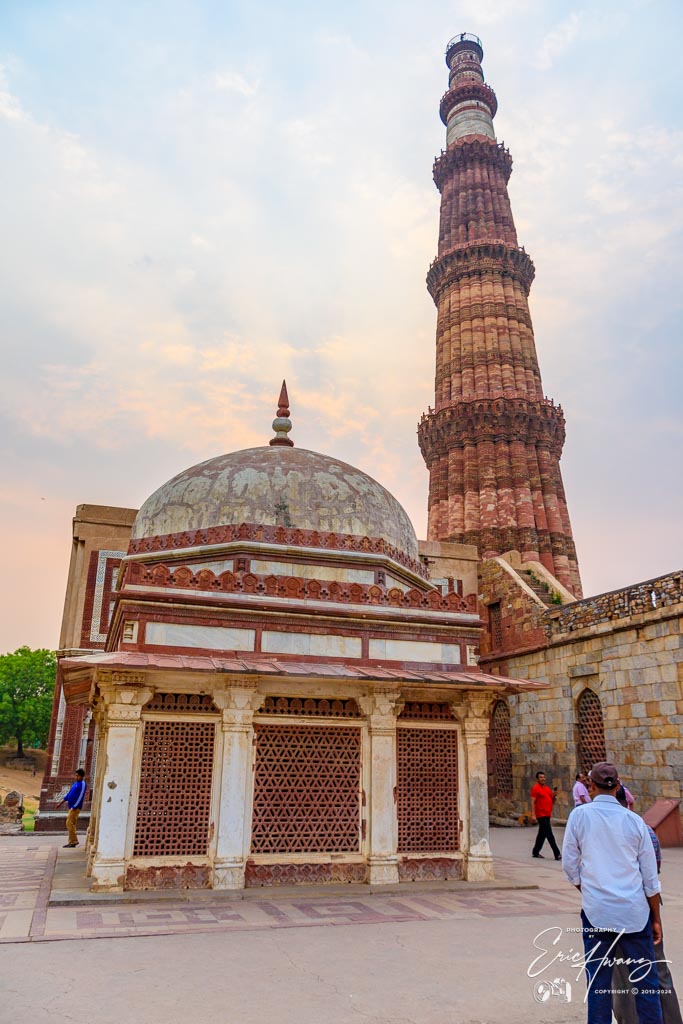


Click on the images above for larger versions and captions.
Humayun’s Tomb
Humayun’s tomb is the tomb of Mughal emperor, Mirza Nasir al-Din Muhammad, also known as Humayun. Built between 1565 and 1572 by his first wife, Empress Bega Begum, after Humayun’s death in 1556. Despite the impressive architecture and grand scale of these buildings, there were very few visitors on the grounds. I suspect that this site is overshadowed by another famous structure located south of here and built a century later—the Taj Mahal.
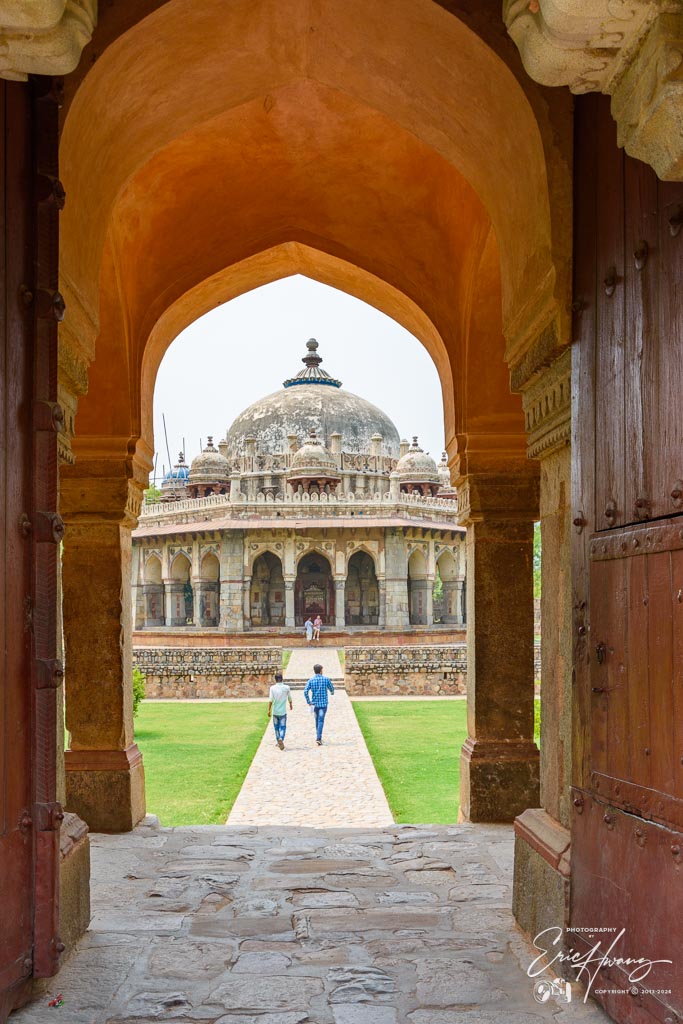
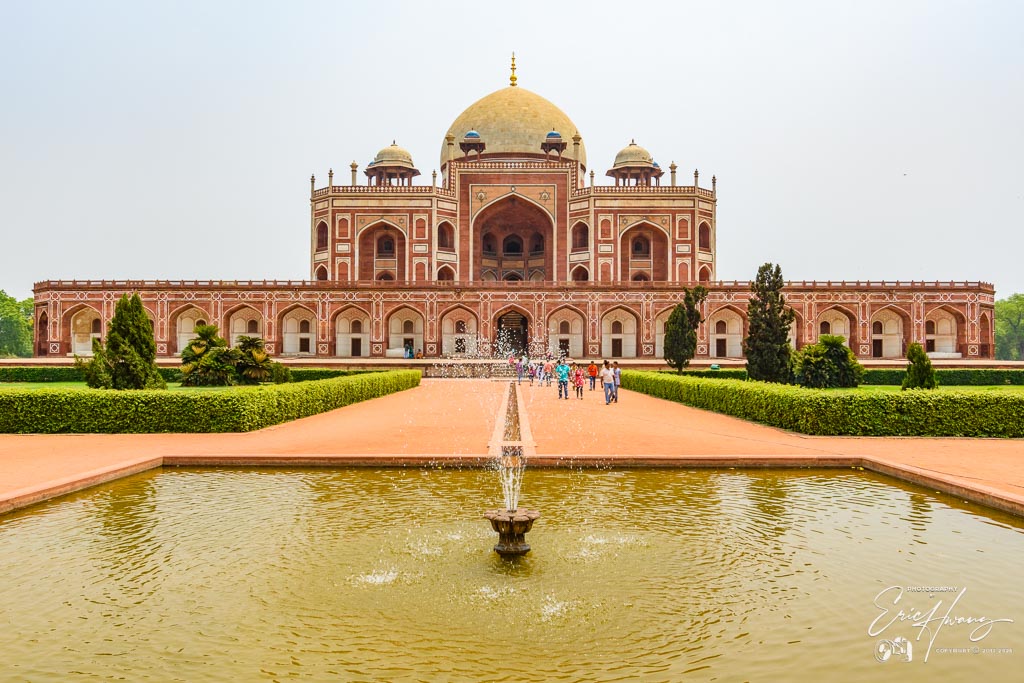
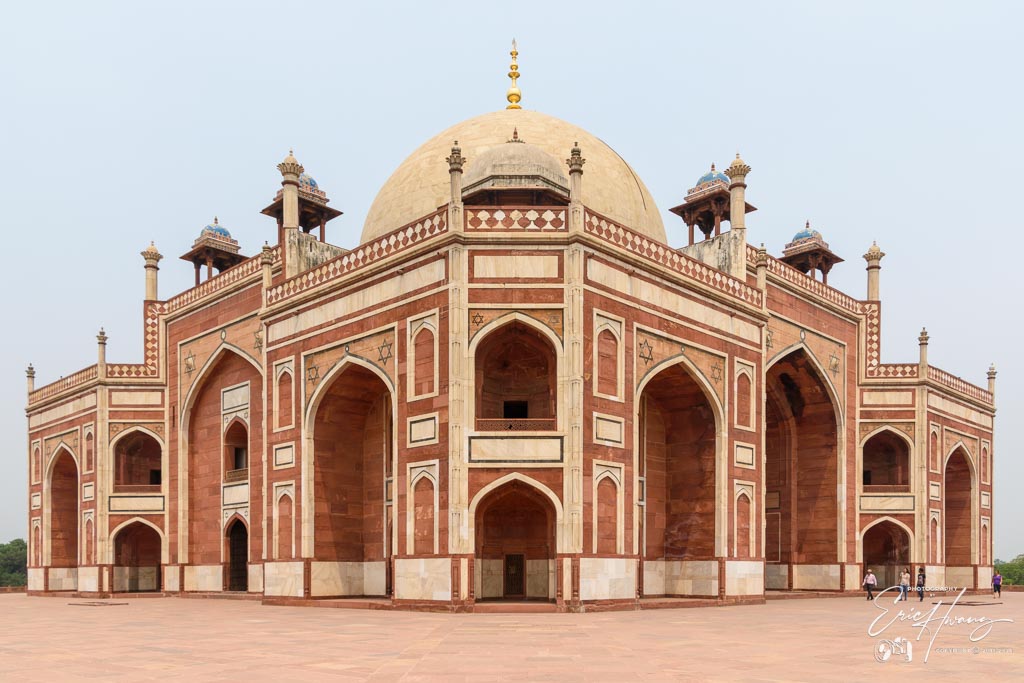
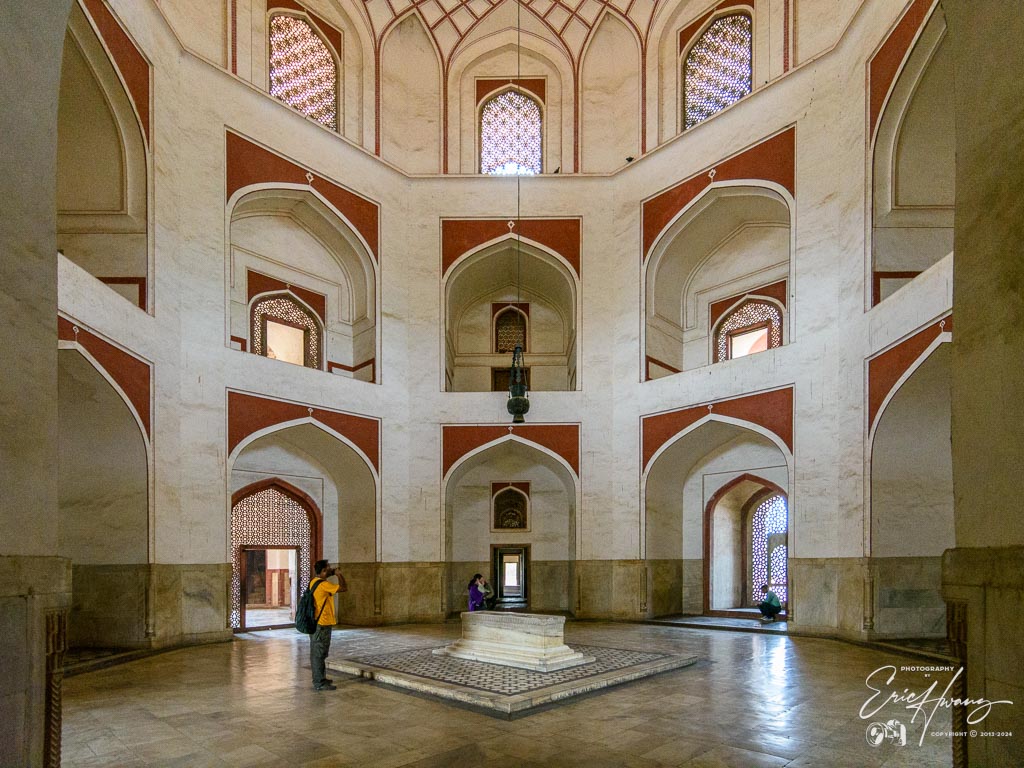
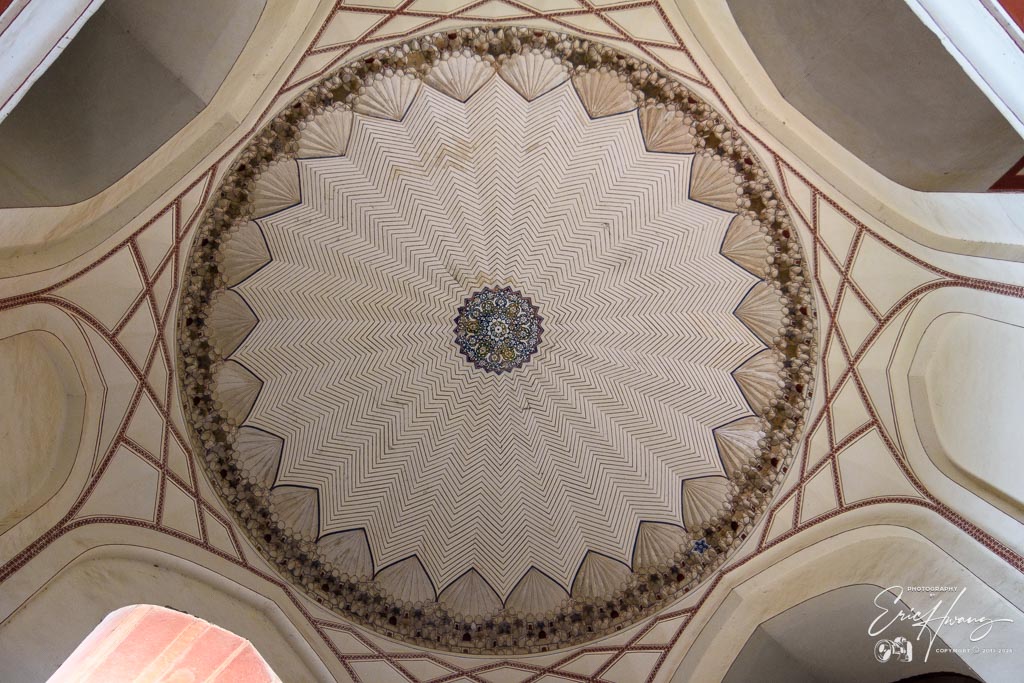
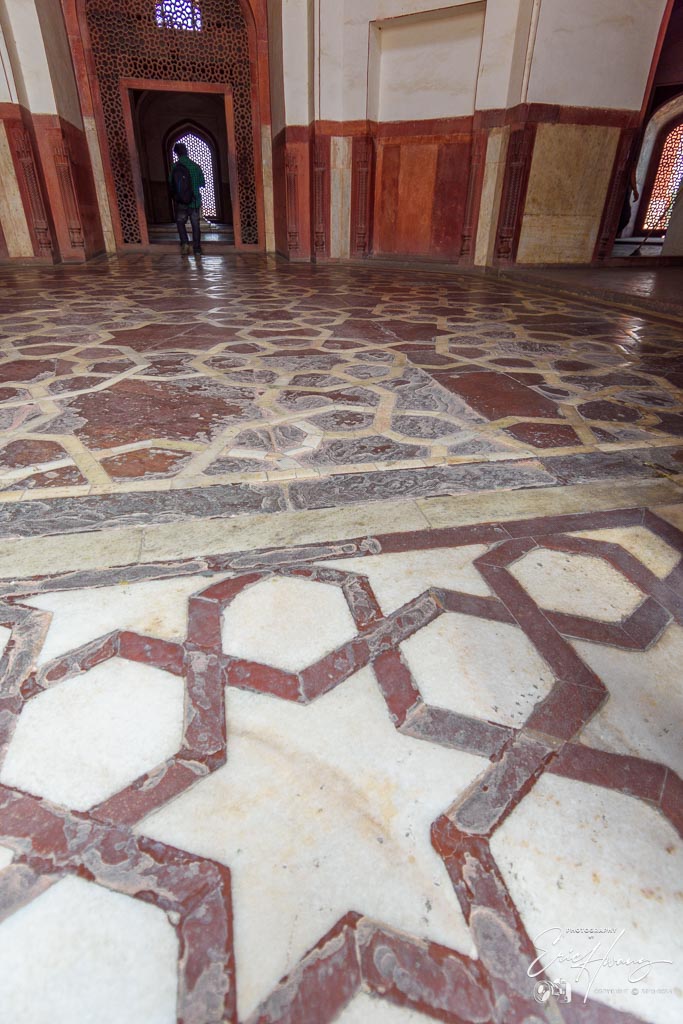
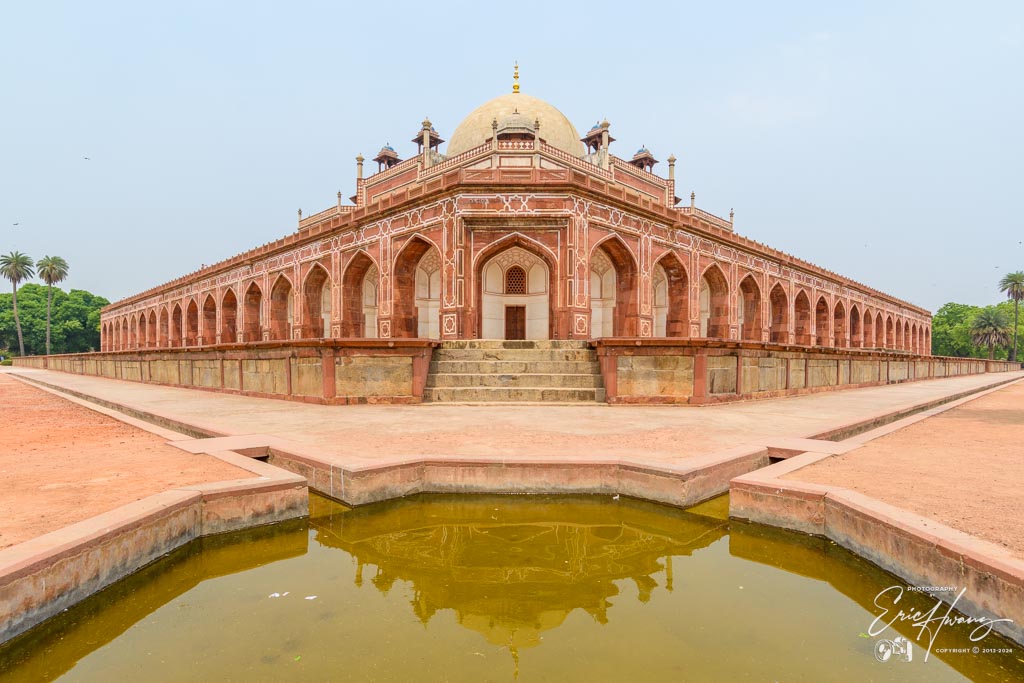
Click on the images above for larger versions and captions.
The Red Fort
The Red Fort or Lal Qila in the Old Delhi neighborhood was the main residence of the Mughal emperors. Built between 1639 and 1648, by Shah Jahan (1628-1658 A.D.), after the Mughal Emperor shifted his capital from Agra to Delhi in 1638 A.D. The fort is built using red sandstone and is octagonal on plan with the rampart surrounded by a moat originally connected with river Yamuna.
Nadir Shah the Persian invader plundered the city of Delhi in A.D.1739 and took away valuable trophies including the Takht-i-Taus (Peacock Throne) with the Kohinoor (worlds largest diamond).
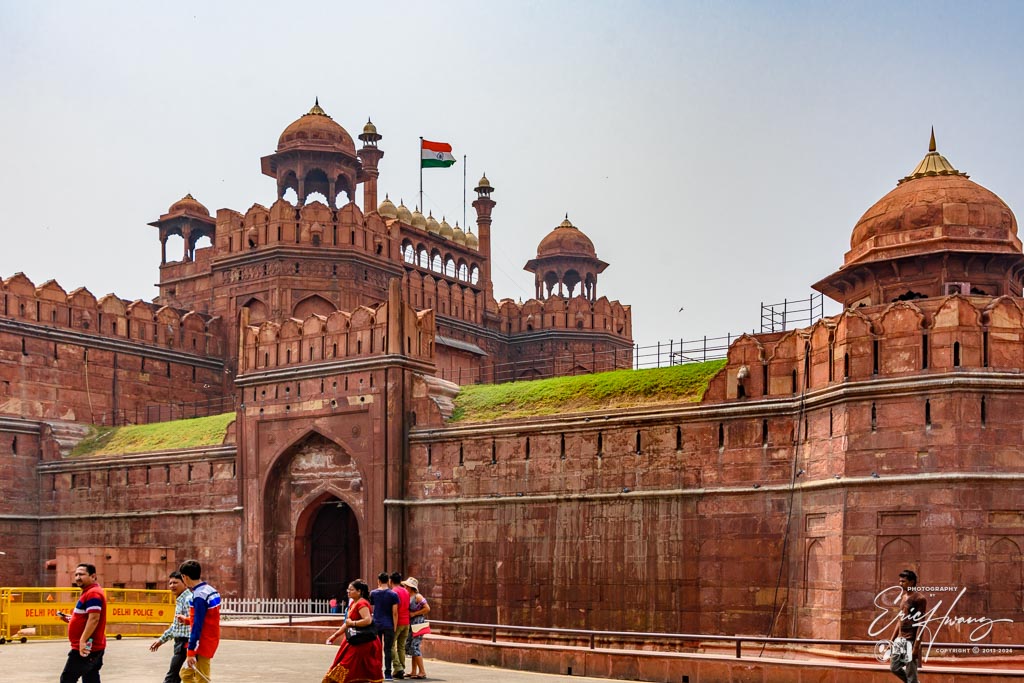
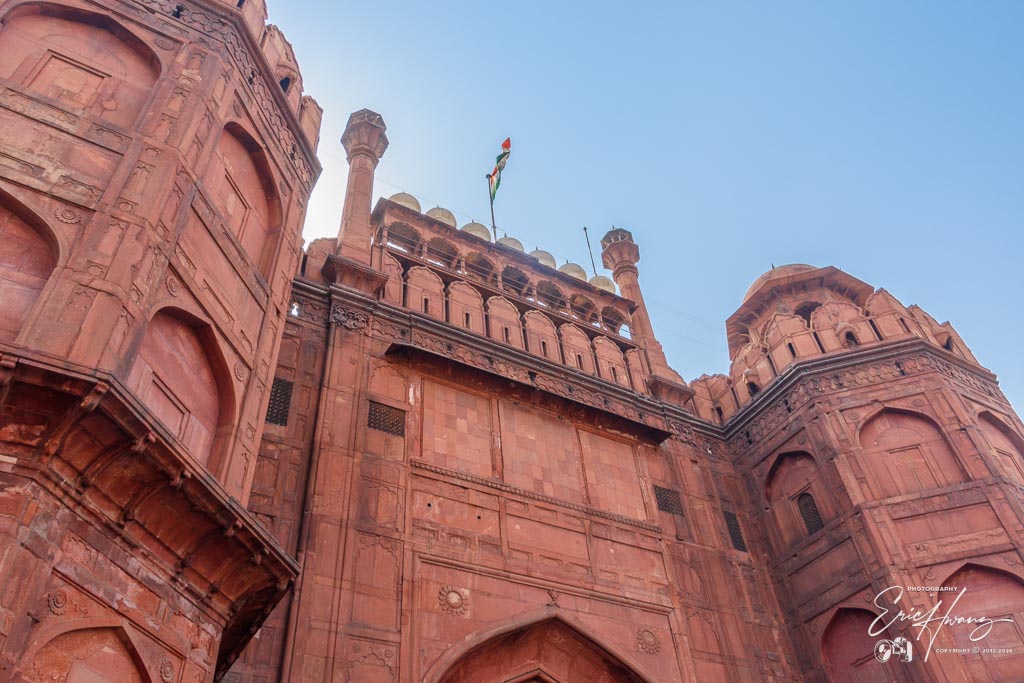
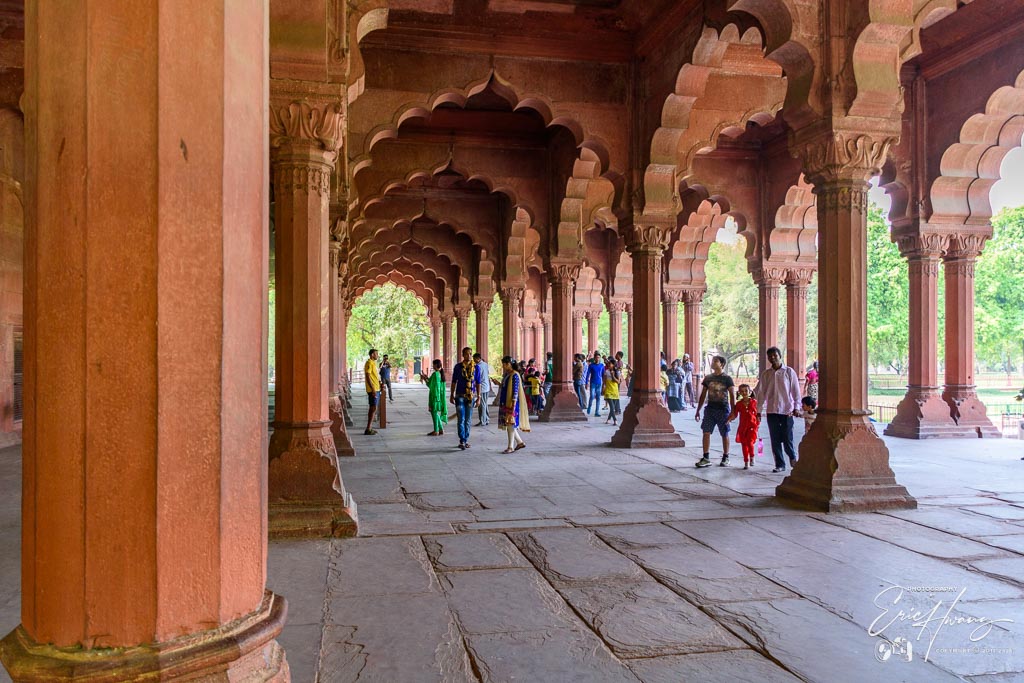
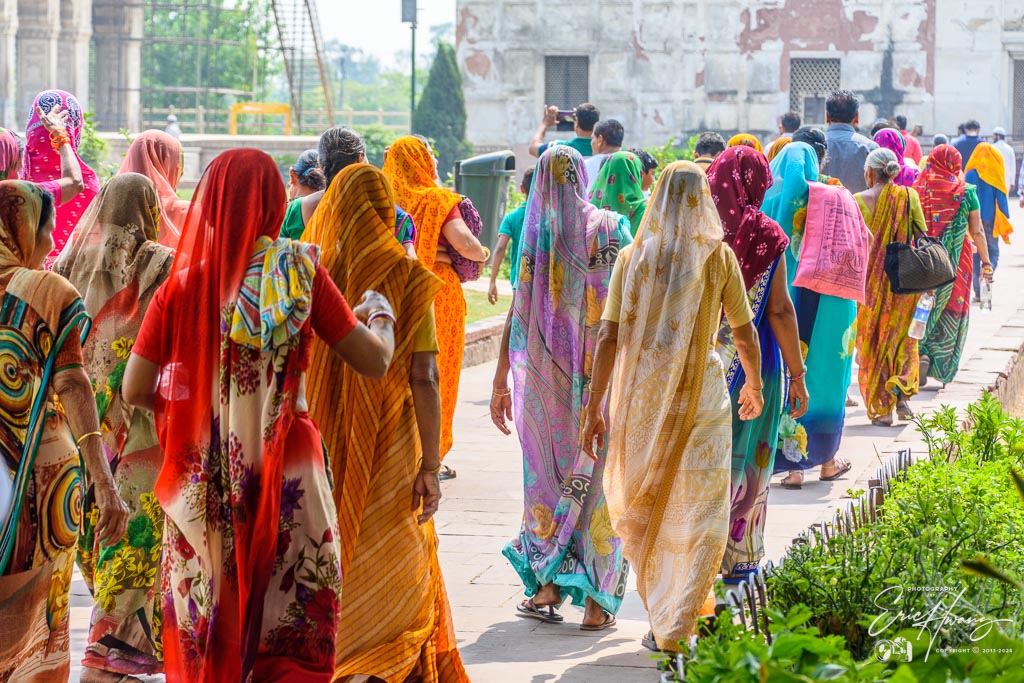
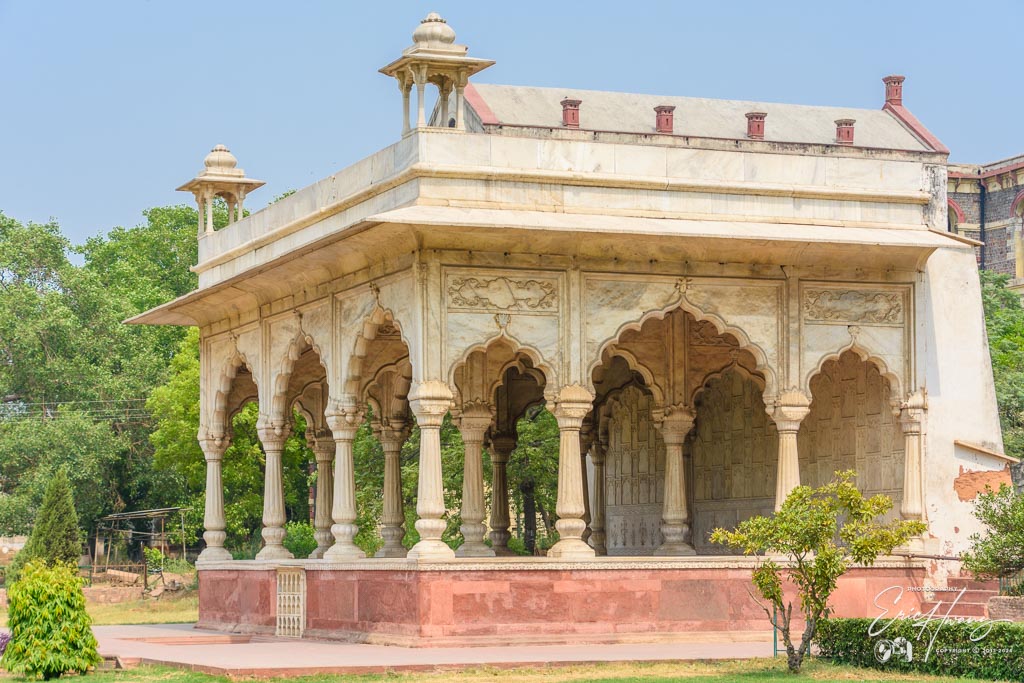
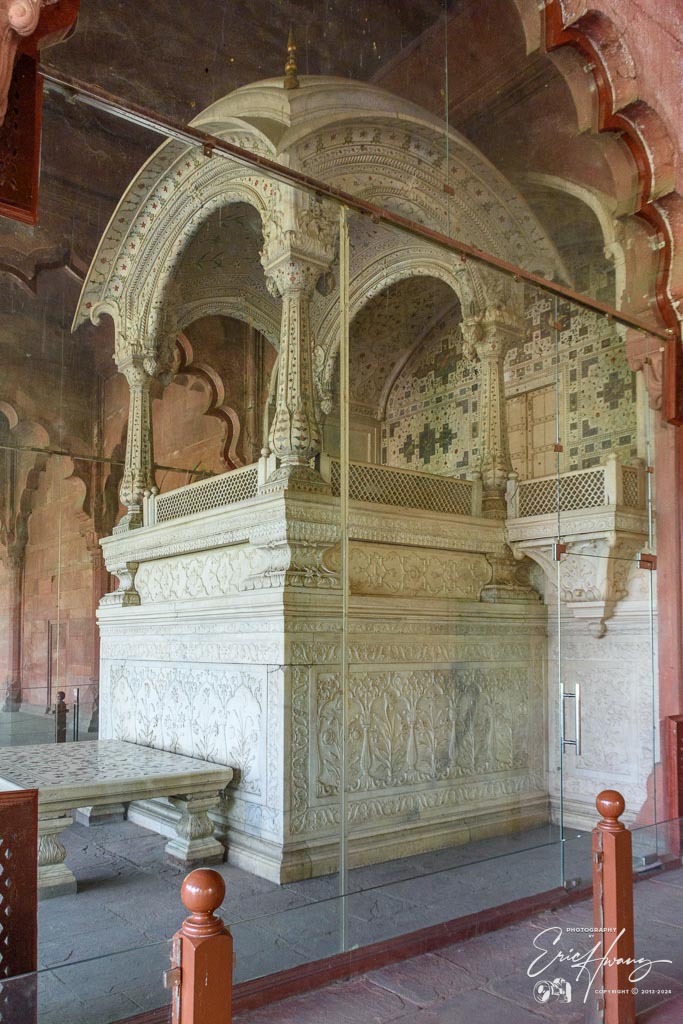
Click on the images above for larger versions and captions.
Gurudwara Bangla Sahib
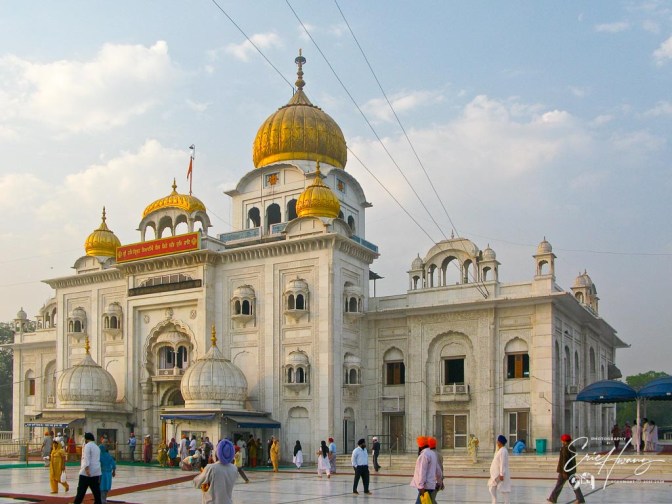
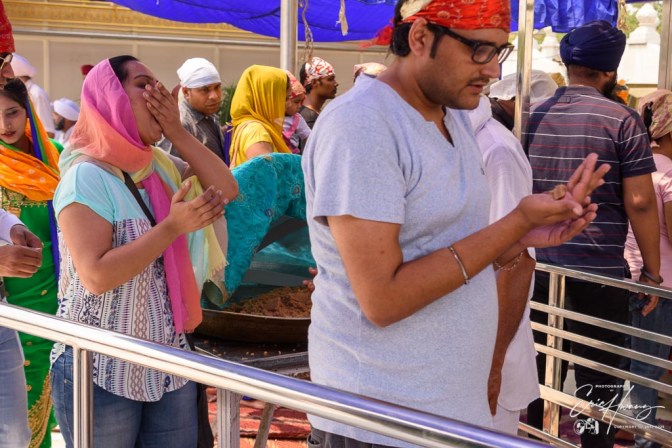
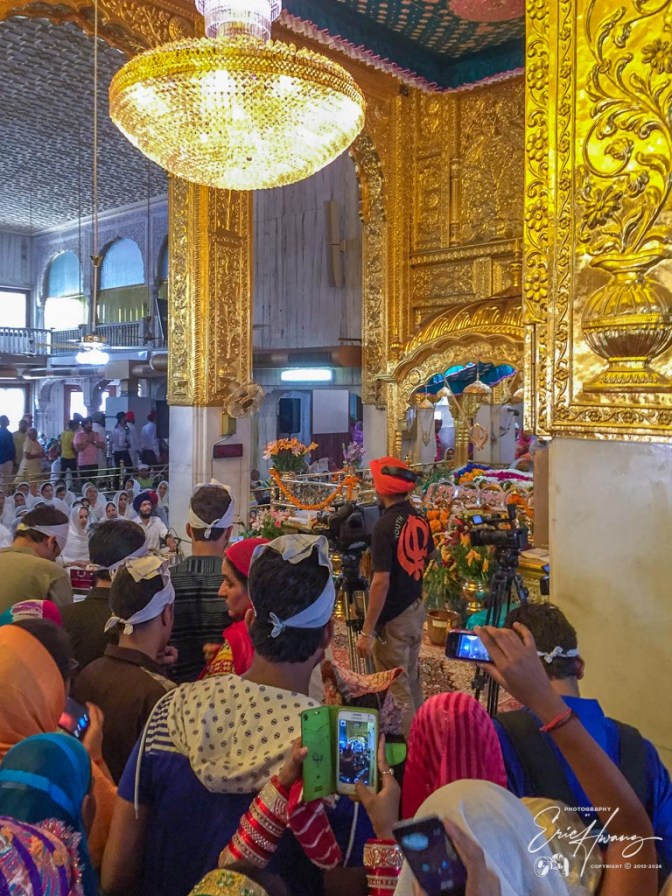
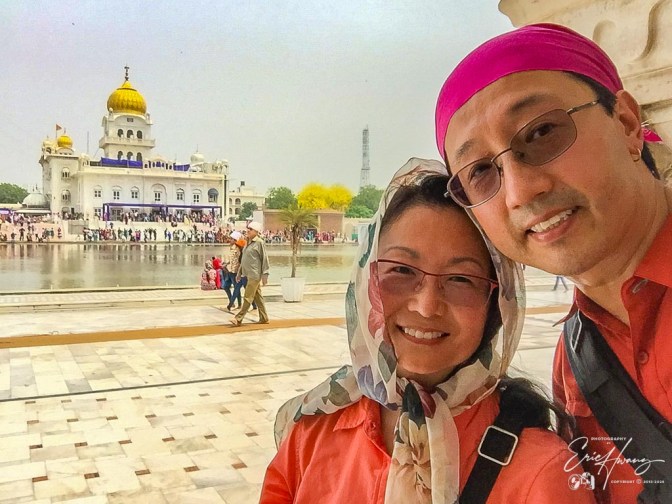
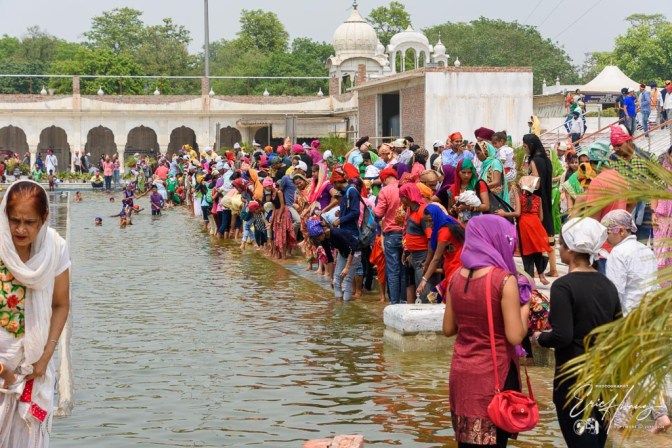
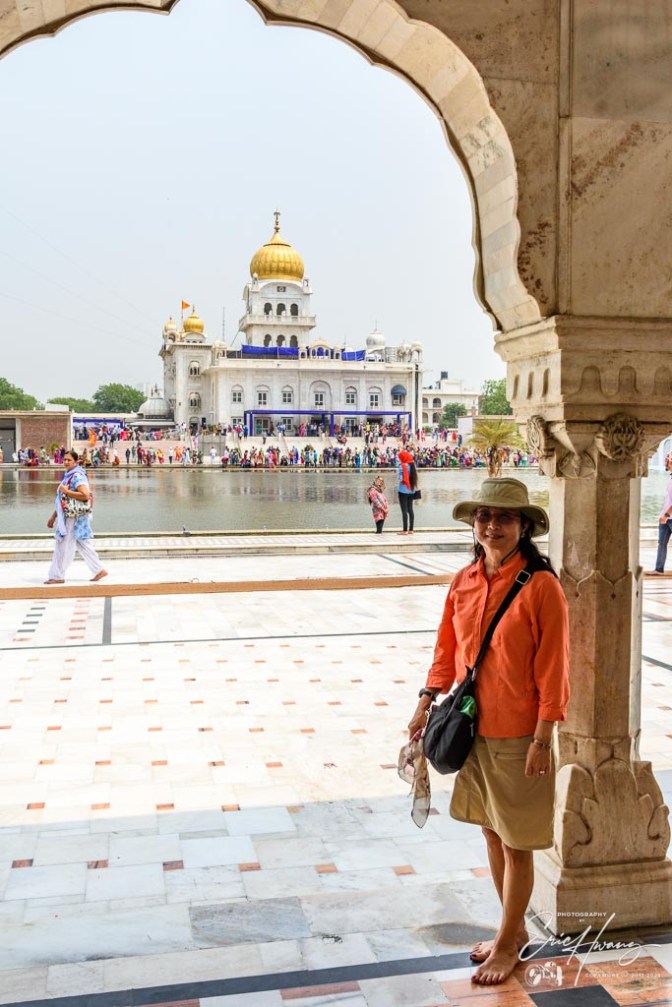
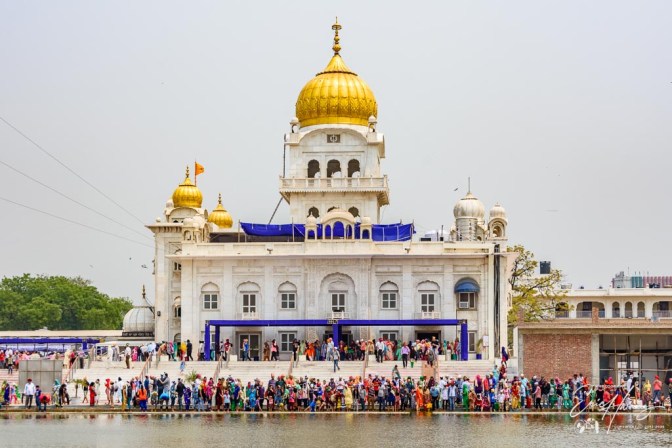
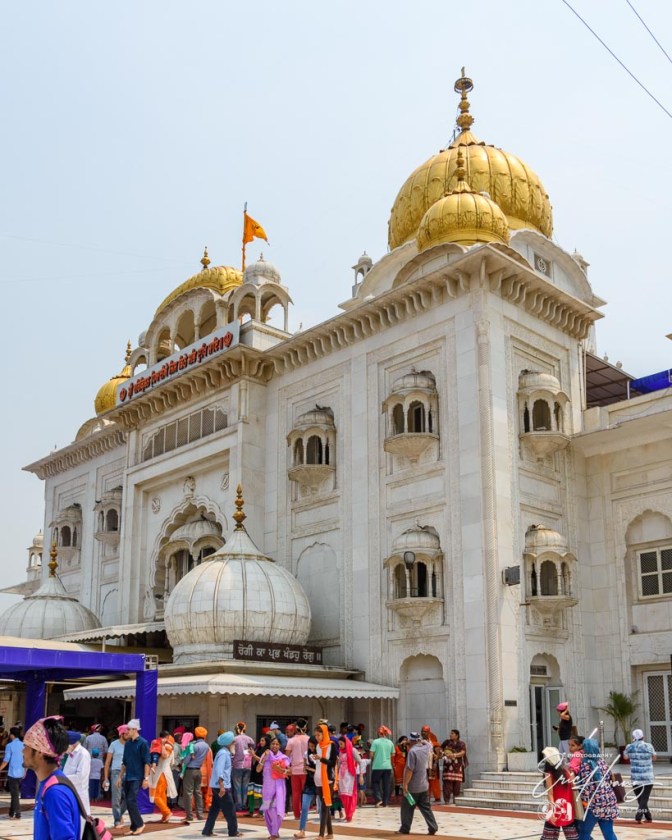
New Delhi is also home to a prominent Sikh gurudwara (house of worship), the Gurudwara Bangla Sahib. Sikhs and Sikhism are widely misunderstood and the experience of visiting helped us to better understand their faith and culture.
Other Sites in Delhi
Delhi covers nearly 1,500 sq. kilometers so it’s difficult to get to everything we wanted to see, especially without wheels and a confusing transit system. But our proximity to some of the more well-known sites allowed us to wander around those areas.
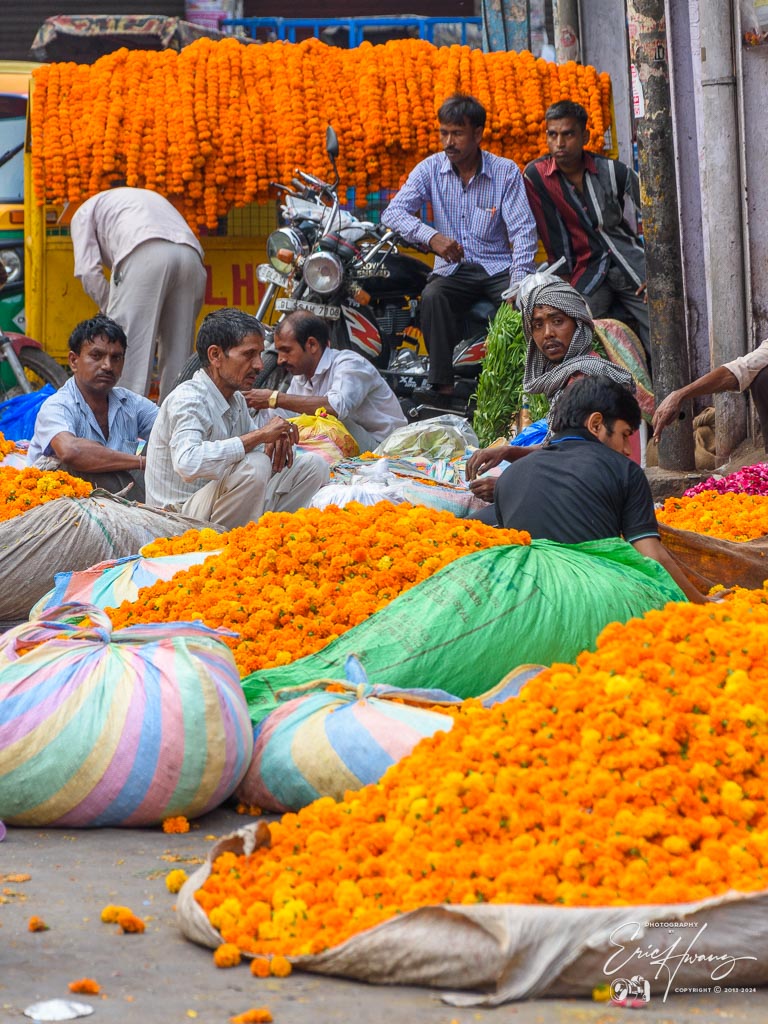
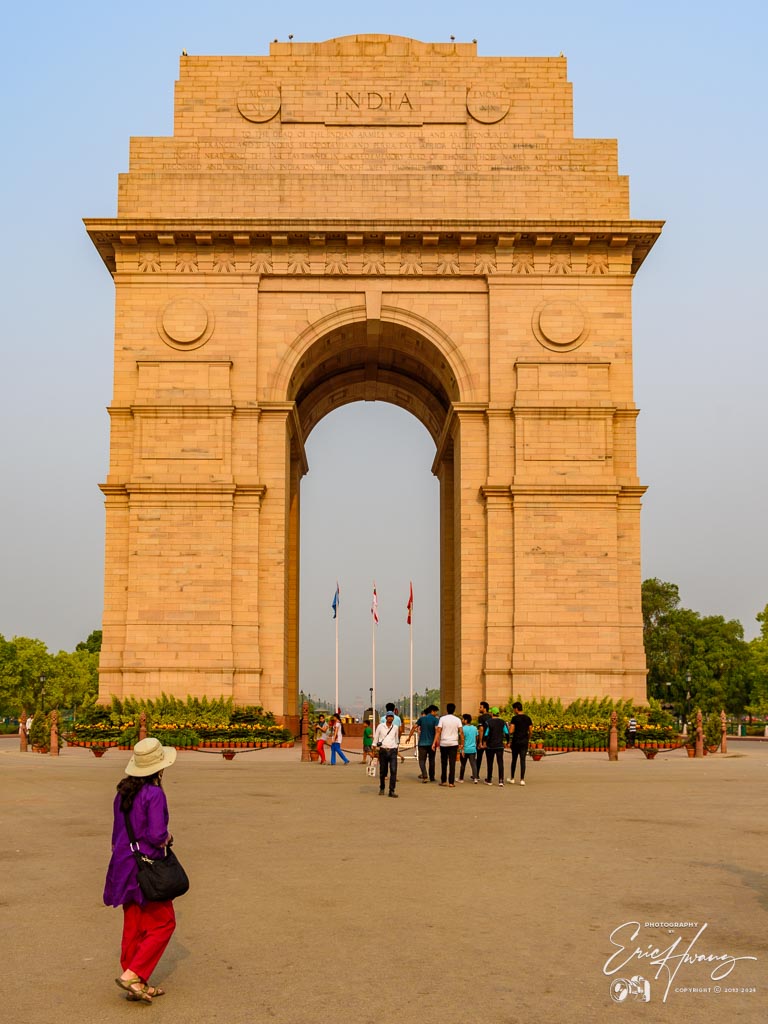
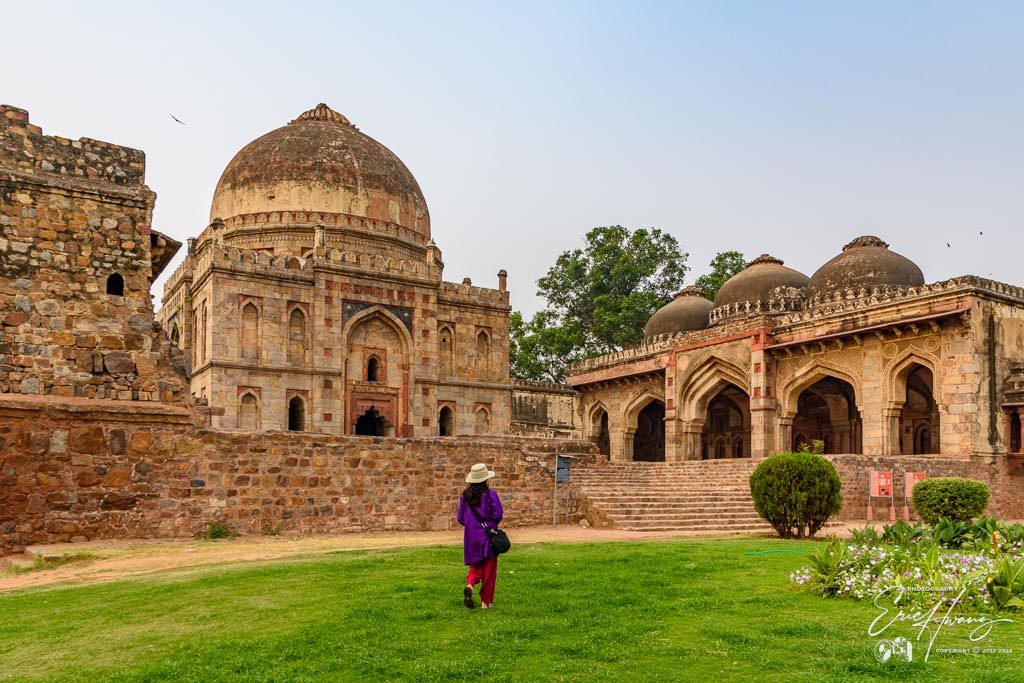
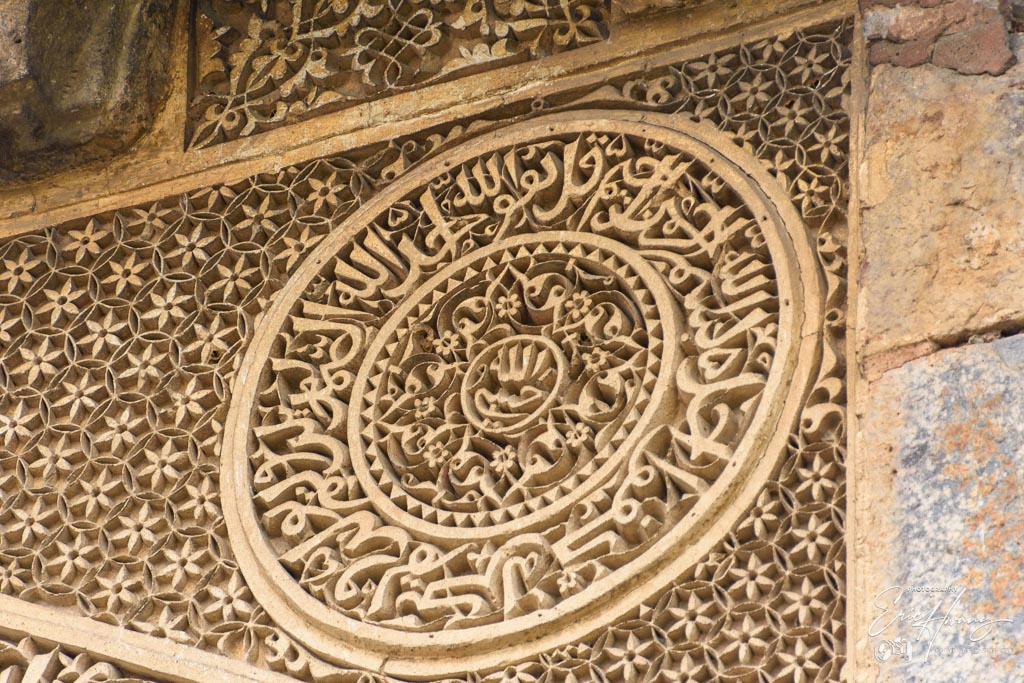
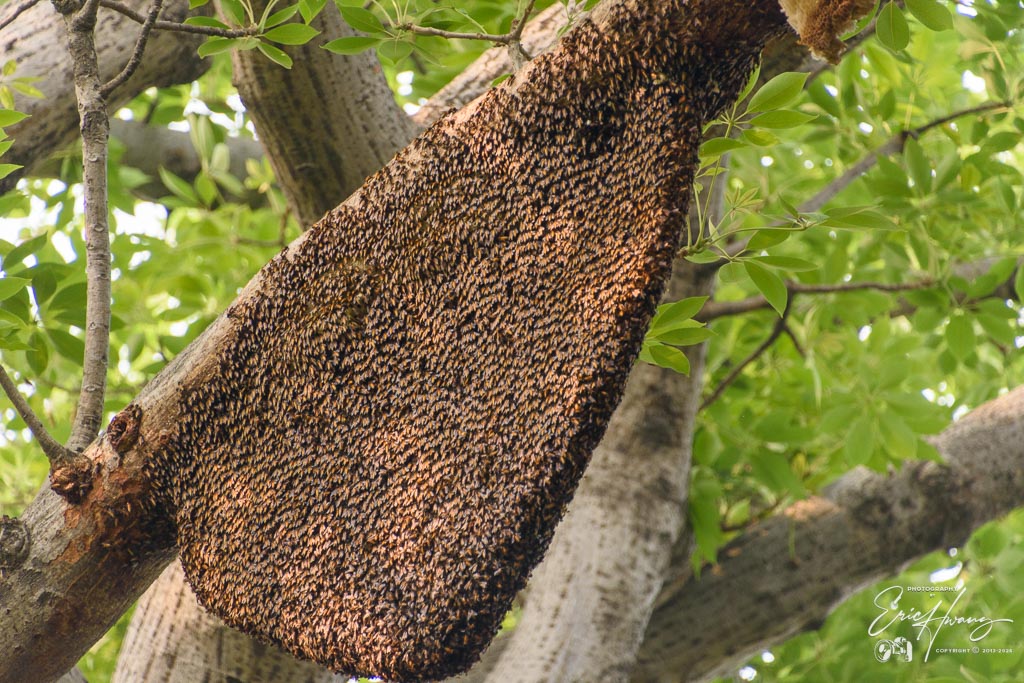
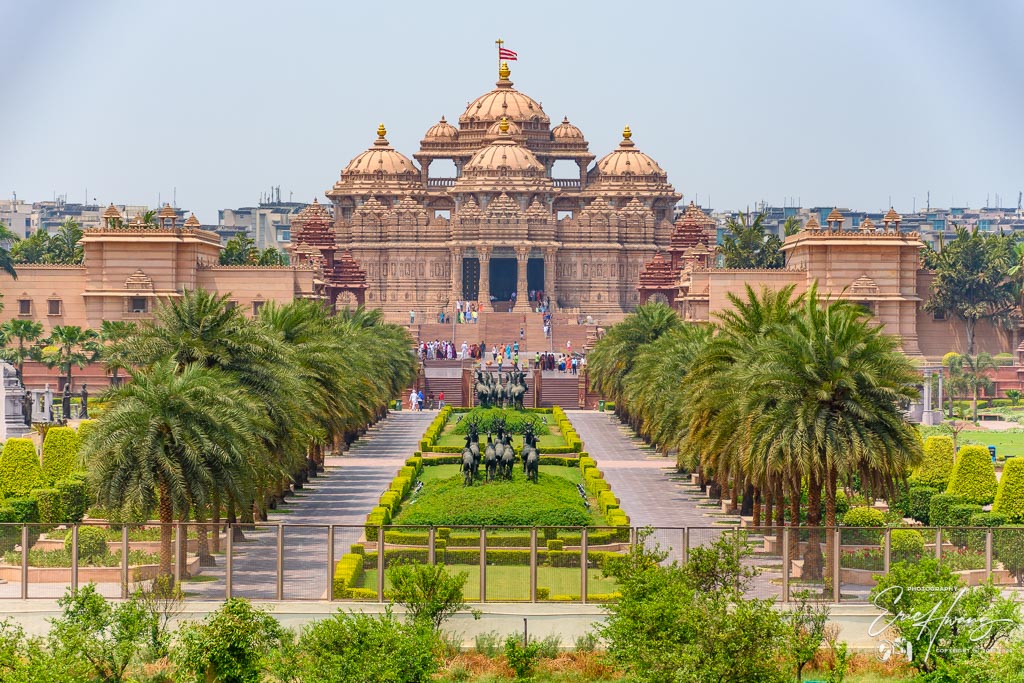
Click on the images above for larger versions and captions.
Our tour of Northern India continues as we head south on our next stop in Agra and the Taj Mahal.

 Peripatetic Couple